CrossFit
CrossFit Total Split Into Three Separate Scores
Historically, the CrossFit Total has come down to one simple question: how much total weight can an athlete move across three lifts? It's a pure strength benchmark, where the sum of the three lifts determines who is strongest.
In 2026, that changes.
Instead of a single leaderboard, athletes will compete for:
Back squat → 50 points
Shoulder press → 50 points
Deadlift → 50 points
That adds up to 150 points in total, but spread across three separate rankings. Athletes no longer need to play it safe for a high combined total, they can instead go all-out on each individual lift, even if that comes at the cost of consistency.
More spectacle, but more specialization?
The new format makes each lift relevant in its own right. Where a weaker lift could previously be offset by two strong performances, that becomes harder now.
This has two clear effects:
1. More tension per lift
Each attempt carries its own storyline. A strong deadlift specialist can now genuinely win points, even if their squat lags behind.
2. Greater emphasis on specialization
The question is whether this still aligns with CrossFit's core principle: finding the most complete athlete. By splitting strength into three separate events, pure lifters may have more opportunities to accumulate points.
Is 150 points for strength too much?
Initial criticism has focused primarily on the points distribution. Three events that all test strength, worth a combined 150 points, could affect the overall balance.
Yet that criticism becomes more nuanced when you consider the bigger picture:
The Games consist of 20 scored events
Not every event carries the same points value
The total points pool is therefore higher than in previous editions
In that context, 150 points may prove to be perfectly reasonable, not an overrepresentation of strength, but simply a more detailed measurement of the same physical domain. In other words, it's not just about how many points strength is worth, but how the rest of the program is built around it.
A notable absence: where is the total?
What stands out is the absence of the classic combined total as a separate classification. That's notable, because it's precisely that cumulative score that allows performances to be compared across previous Games editions, such as 2007, 2018, and 2020.
Without that sum, a piece of historical context disappears. Fans and analysts will now have to do the math themselves to see how current performances stack up against the past. An additional fourth score, based on the combined total, could have solved that easily without interfering with the new format.
Verdict: too early to judge
The biggest challenge with this change is that a definitive verdict is hard to reach right now. Without knowing the full program, the true impact remains unclear.
What is clear:
The CrossFit Total receives more attention and granularity
Individual lifts matter more than ever
The debate over "what is fitness?" is reignited once again
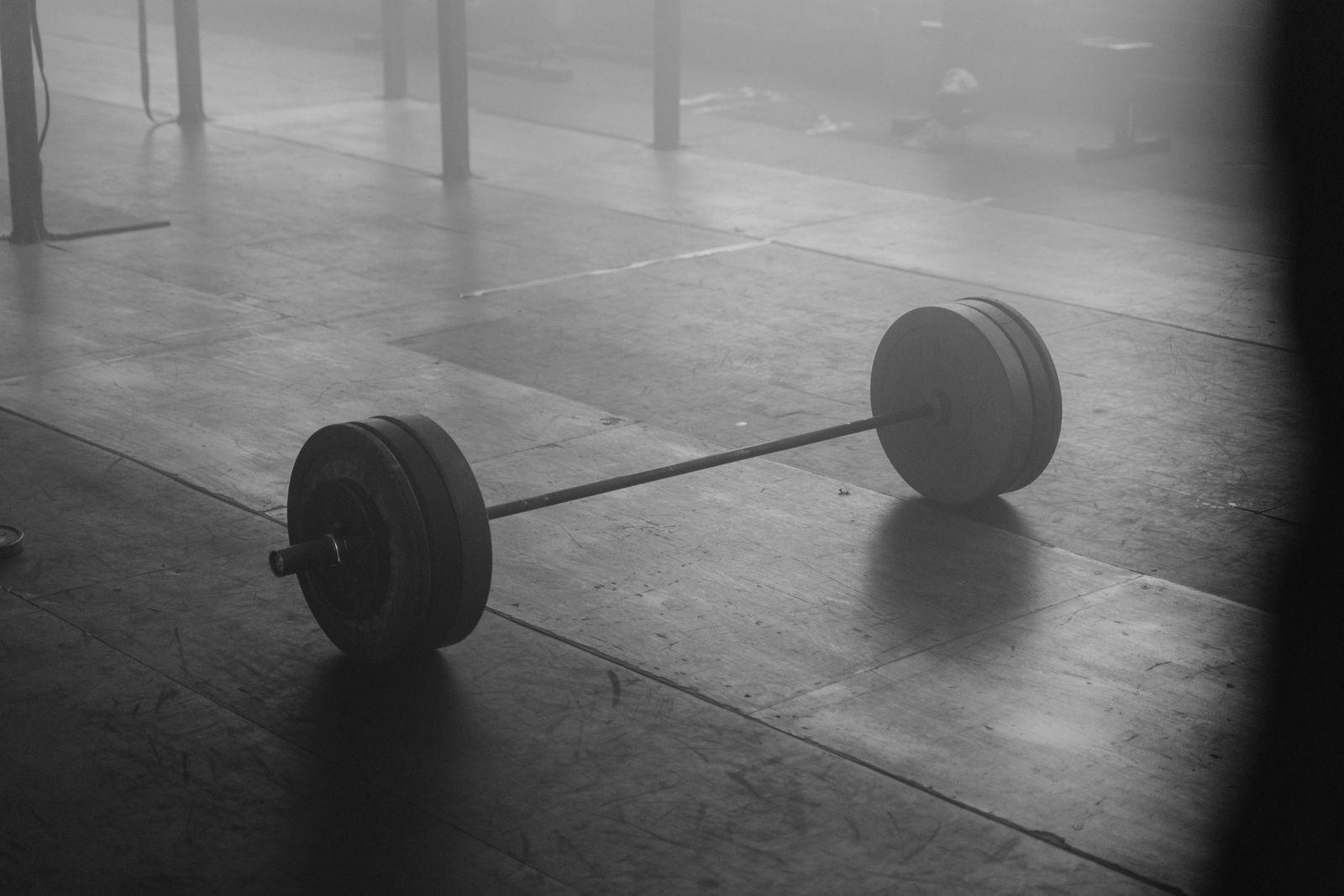
Reshaping a classic event fits within a broader trend at the CrossFit Games: keep innovating, even when it creates friction. Whether this change makes the sport fairer or skews it further remains to be seen, and won't truly be answered until the first barbells leave the floor.