CrossFit
One Rep Short and It's All Over: The Brutal Reality of Online CrossFit Qualification
In the hunt for a CrossFit Games ticket, everything comes down to details. Not the big moments, not the crowd, not even direct competition against rivals, just a camera, a counter, and a few seconds' difference. Recent conversations with elite athletes make one thing painfully clear: the online qualifier may be the hardest part of the season.
The Illusion of Control
On paper, the online semifinal seems like an ideal setup. No travel, no crowd pressure, no competitor next to you pushing you harder. Just you, your gym, and the workout.
Yet athletes experience exactly the opposite.
While live competitions give you an immediate sense of where you stand, the online format breeds a dangerous uncertainty. You can put in a perfect performance and still be left second-guessing yourself:
- Was my pace good enough?
- Did I go too conservative?
- How fast were the others, really?
Control rests entirely with yourself, and that makes it more mentally demanding than ever.
The Real Judge: The Camera
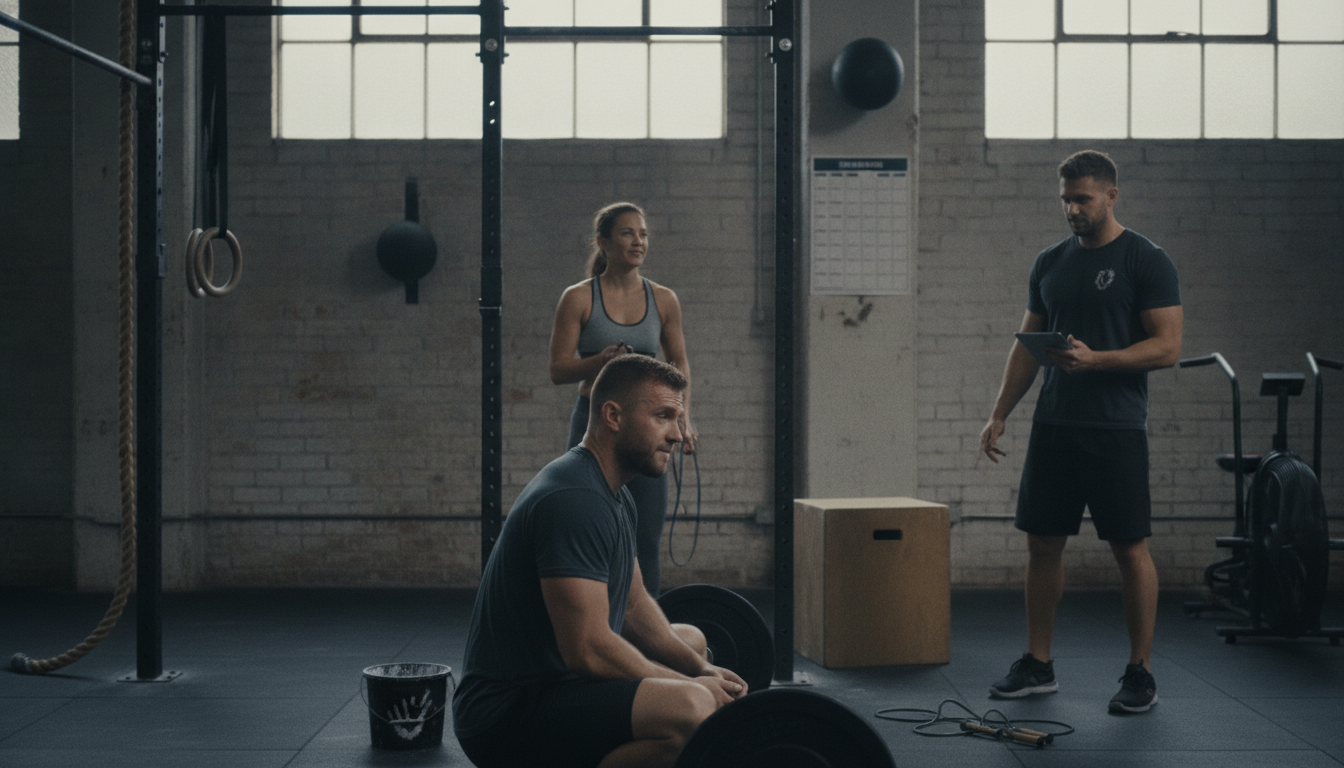
The biggest difference from live competition lies in the judging. Where a floor judge normally has the final say, online it's a different rule: the video decides everything.
And that fundamentally changes the game.
Athletes work with certified judges during their attempt, but know that judgment is ultimately subordinate to the footage reviewed afterward. That creates a paradox:
- You need a judge to compete, but you can't rely on them.
Everything must be visible. Everything must be demonstrably correct. And any doubt is used against you.
The Smallest Mistake, the Biggest Penalty
What makes online competition so ruthless isn't just the scrutiny, it's the scale of the penalties.
In some cases:
- One missed rep = entire set invalidated
- Wrong rep count = score frozen at the point of error
- Insufficient lockout = entire sequence called into question
The result? A 13-minute workout can be rendered worthless in a single second.
That sits uneasily with many athletes, especially on movements like double-unders, where a small miscount can happen in an instant.
The debate is fierce:
- Is it fair to invalidate an entire score for one mistake?
- Or does that simply come with competing at the absolute highest level?
Redos as Strategy
Because the margins are so tight, redoing workouts has become a standard part of the process.
Athletes film multiple attempts of the same workout:
- to shave off seconds
- to correct technical errors
- or simply because they believe they can do better
Sometimes that pays off enormously, differences of tens of seconds on a single event.
But it carries risk too:
- fatigue accumulates
- pressure builds with every new attempt
- and confidence can actually erode
The question then becomes not just: how fit are you?
But also: how do you handle second chances?
Leaderboard Stress and Uncertainty
Once all scores are submitted, the next problem begins: waiting.
And that waiting is anything but passive.
Athletes analyze:
- competitors' times
- head-to-head comparisons
- potential errors in rivals' videos
Even strong performances feel uncertain. Because until the videos are approved, nothing is final.
The expectation? That leaderboards can shift significantly after review.
Because one no-rep on a competitor's submission can:
- instantly swap positions
- hand someone a qualification spot
- or end a season
The Difference Between Making It and Missing Out
What makes this format particularly painful is how small the margins are.
An athlete can:
- finish 30th on one workout
- but place top 5 on everything else
- and still qualify
Or the reverse:
- deliver consistent performances throughout
- but make one mistake
- and fall outside the qualifying spots
Consistency matters, but perfection is decisive.
Elite Sport in Its Purest Form
As hard as the system may seem, it also reflects something important: CrossFit's evolution into a mature elite sport.
The demands are clear:
- technically flawless movement
- smart energy management
- mental stability under uncertainty
Athletes must not only be the fittest, but also:
- think strategically
- minimize risk
- and handle extreme pressure
Conclusion: Fitness Alone Is Not Enough
The online qualifier makes one thing clear: fitness alone is no longer sufficient.
The modern CrossFit athlete must:
- execute without fault
- plan intelligently
- and stay mentally sharp without direct feedback
One rep short. One second too slow. One moment of doubt on camera.
That's all it takes to decide between:
- the CrossFit Games
- or a season that ends on a screen.
And that is precisely what makes the online phase so merciless, and so compelling.