CrossFit
Not strength, but recovery: the defining factor for older CrossFit athletes
In the CrossFit world, it is commonly assumed that performance declines due to a loss of strength or explosiveness. But at the highest level, something else proves far more decisive: the ability to keep performing day after day.
One workout vs. a full weekend
What stands out is that older athletes often still hold their own in individual workouts. During qualification rounds like the Open or Quarterfinals, experienced names regularly post top results.
But the gap emerges when the workload compounds:
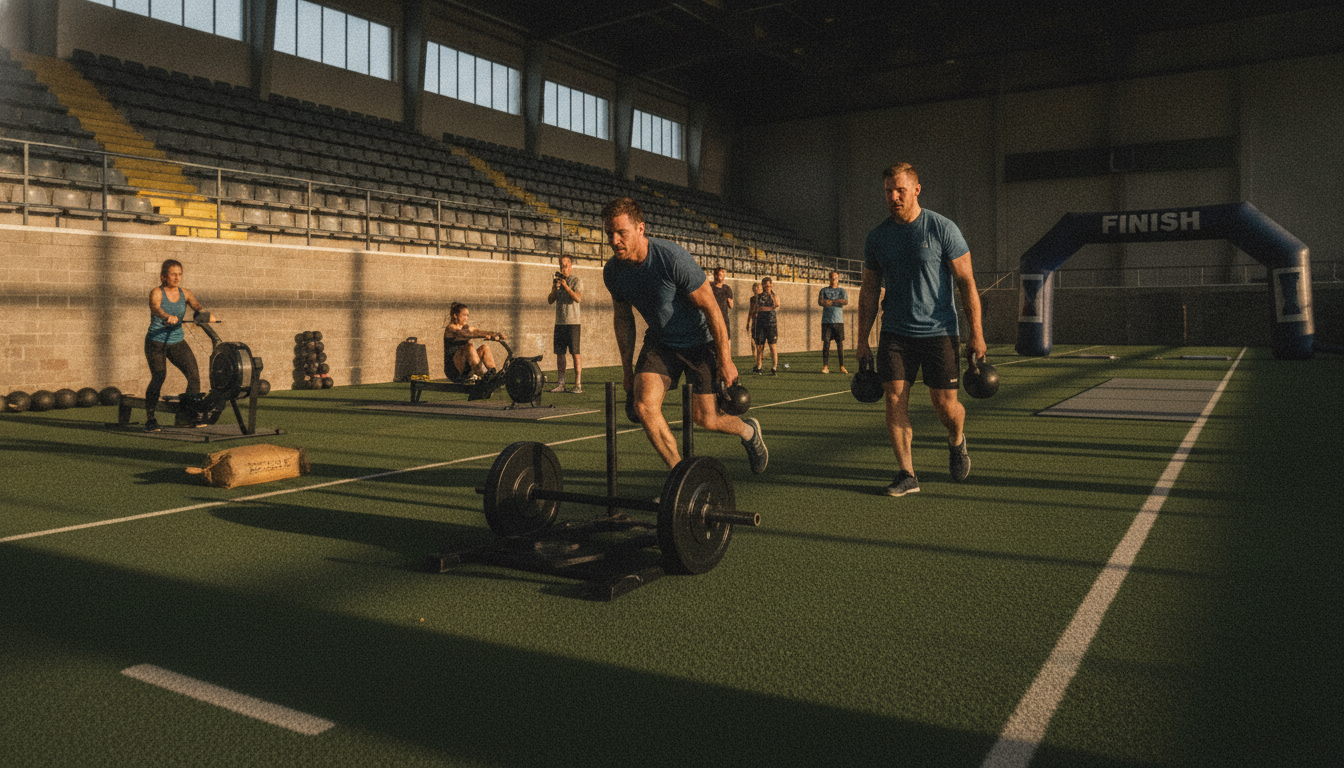
Multiple events in a single day
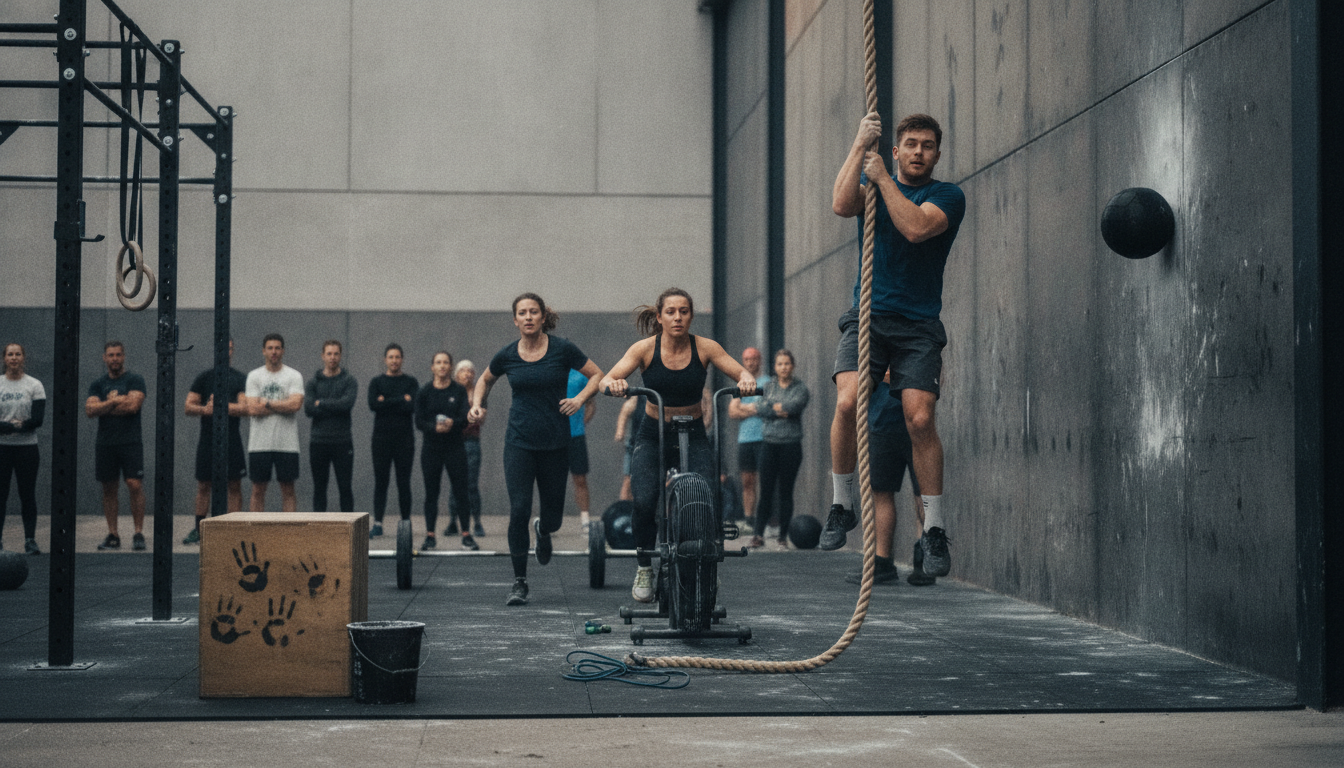
Competition spread across three or four days
Building fatigue with insufficient recovery time
Where younger athletes appear to keep peaking, older athletes more often show a gradual decline, not because they lack fitness, but because the body simply needs more time to recover.
Recovery: the hidden limiter
Recovery operates on several levels, and the challenges stack up as athletes age:
Muscle repair: minor muscle damage accumulates faster and heals more slowly
Nervous system: high-intensity efforts demand longer processing time
Sleep quality: critical for recovery, yet not always optimal
Inflammatory response: can linger longer after intense exertion
The result? You can still give everything once, but doing it repeatedly becomes increasingly difficult.
The myth of strength loss
Interestingly, strength is often overestimated as a limiting factor. Many experienced athletes remain relatively strong, even compared to younger competitors.
In fact:
Basic strength often holds up for years
Technique and experience compensate for minor physical decline
Efficiency frequently improves with age
The real challenge, then, is not lifting the weight, it is delivering that performance repeatedly under fatigue.
What makes the best unique?
Looking at dominant athletes of the past, one quality stands out: their recovery capacity. Athletes like Rich Froning and Mat Fraser were known for their ability to:
Recover quickly between events
Show virtually no drop-off across multiple days
Still perform at the highest level on the final day
That may well be the most underrated skill in CrossFit.
Training smarter with age
For older, or more experienced, athletes, the key is not necessarily training harder, but training smarter. That means:
Being more deliberate about training volume
Actively investing in recovery through sleep, nutrition, and mobility
Prioritising pacing and energy management
Strategically planning peak performance moments
The goal shifts from maximum output to sustainable performance.
Conclusion
The reality of high-level CrossFit is clear: you are only as good as your ability to recover. Strength and fitness will take you far, but only when you can replicate those performances across multiple days do you truly belong at the top. And that is exactly where the difference is made, not by what you can lift, but by how quickly you are ready to do it all over again.