CrossFit
Younger and better than ever: why CrossFit is becoming a sport for twenty-somethings
The CrossFit Games are evolving at a rapid pace, and nowhere is that more visible than in the ages of the athletes. Where experience was once a decisive factor, the sport seems increasingly defined by youth, recovery capacity, and training volume.
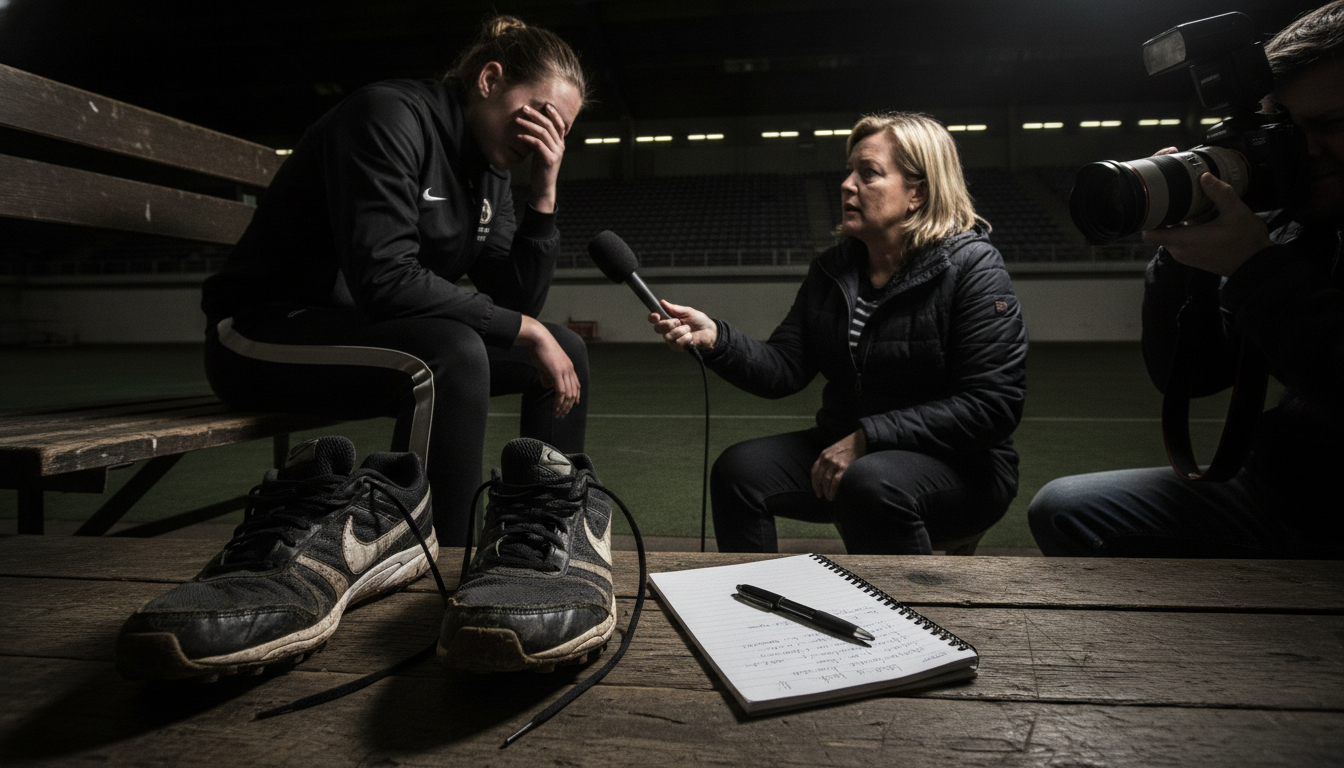
During a recent interview with athlete Alexis Raptis and Games programmer Dave Castro, a striking figure emerged: no fewer than 10 female competitors in the individual field have a background in the teenage division. That means roughly one third of the women's field once competed at the highest level as a teenager.
That is no coincidence, it is the result of a clear shift within the sport.
From talent development to elite performance
The teenage division was once seen as a way to introduce young athletes to competition. It has since grown into a serious pipeline for elite talent.
Raptis says the level of progression surprises her, while also confirming that the sport has matured. "I used to always be the youngest. Now I look around and there are athletes ten years younger than me."
With an average age of around 25.5 for women and 27.5 for men, Castro sees the peak clearly sitting in the mid-twenties. The new generation of athletes is also growing up with CrossFit as their foundation, something earlier generations never had.
Recovery as the defining factor
Why does that age group dominate? According to Castro, the answer lies less in strength or technique and more in a crucial, often underestimated factor: recovery capacity.
"A thirty-year-old can perform just as well as a twenty-year-old in a single workout," he explains. "But the difference is in what happens afterward."
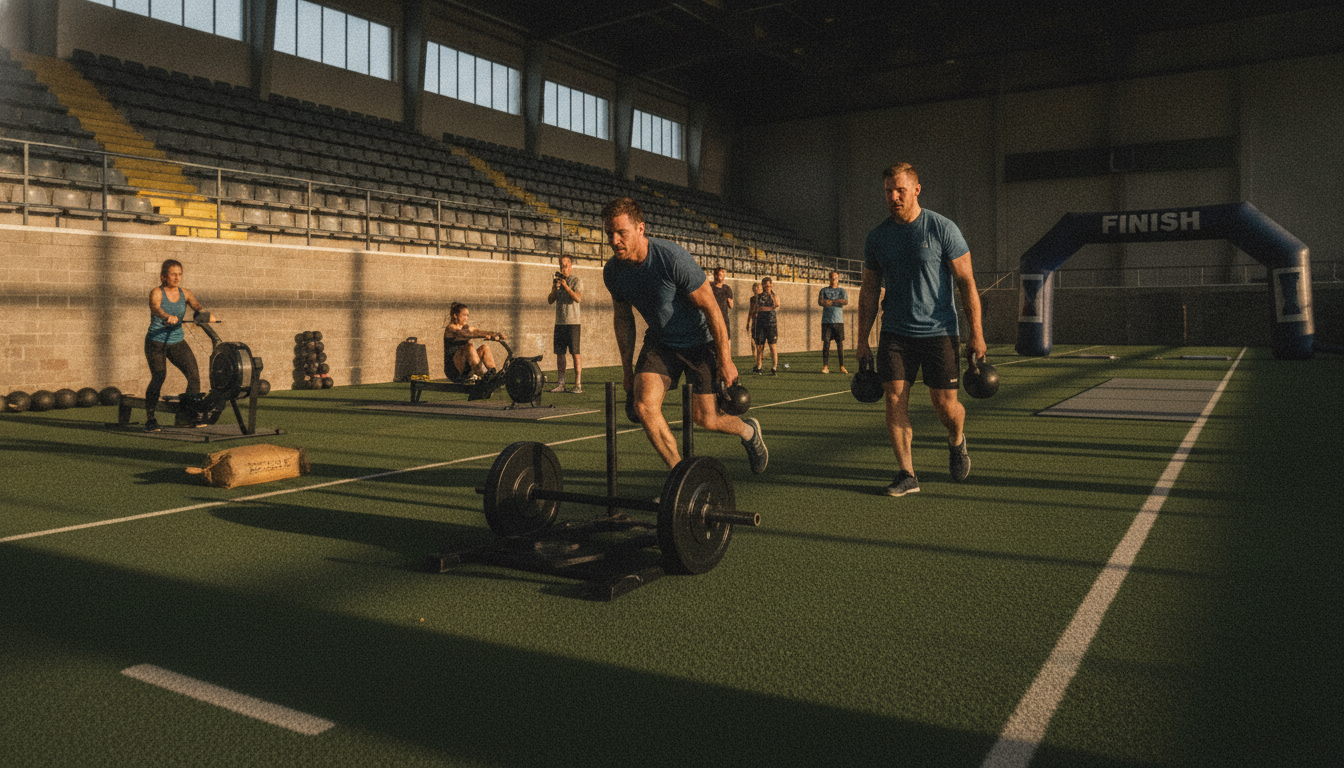
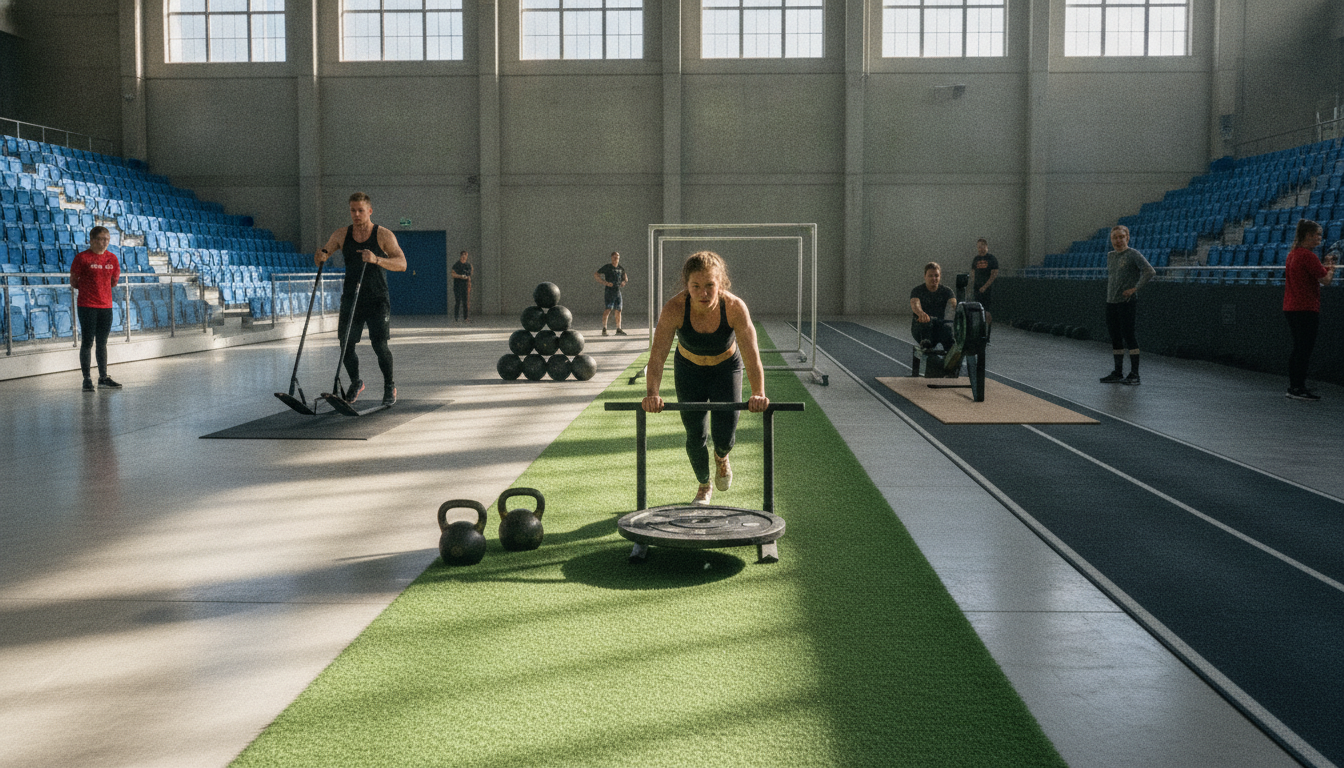
The CrossFit Games are not a single test, but a series of grueling events spread across multiple days. That is where everything converges:
- multiple workouts per day
- limited rest periods
- high training density
- constant physical and mental pressure
Younger athletes can simply recover faster between efforts, allowing them to still perform at peak level on day two and three.
This also explains why older athletes can still excel in the Open, where you complete one workout per week, but face a steeper challenge at the Games.
The impact of heavier, stronger athletes
Another development amplifies this effect: the physical evolution of the CrossFitter. Where athletes were once often lighter and lean, today they are noticeably stronger and more powerfully built.
That has direct consequences:
- more muscle mass means greater absolute strength
- but also: greater stress on the body at high volumes
- and therefore: an even greater need for rapid recovery
As noted in the interview, modern athletes are literally moving more weight, even in bodyweight movements such as pull-ups. That makes the load per repetition greater than it was ten years ago.
Will 30-plus become the exception?
Although there are still exceptions, athletes who continue to compete at the highest level into their thirties, the trend appears clear. According to Castro, dominating at the top level beyond 30 will become increasingly rare.
Not because older athletes are less capable, but because the demands of the sport are changing:
- more volume
- more events
- higher intensity
- shorter recovery windows
The Games are therefore not only a test of fitness, but increasingly a test of recovery capacity under extreme conditions.
The new standard of elite fitness
The rise of young athletes and the role of recovery illustrate how CrossFit is developing. What began as a broad fitness competition has grown into a sport where marginal gains make all the difference.
The message is clear: anyone who wants to understand the future of CrossFit should not only look at how hard someone can train, but above all at how quickly they are ready for the next stimulus.
And right now, that is where the twenty-somethings hold the edge.