BurpeeTalk Original
The Price of Strength
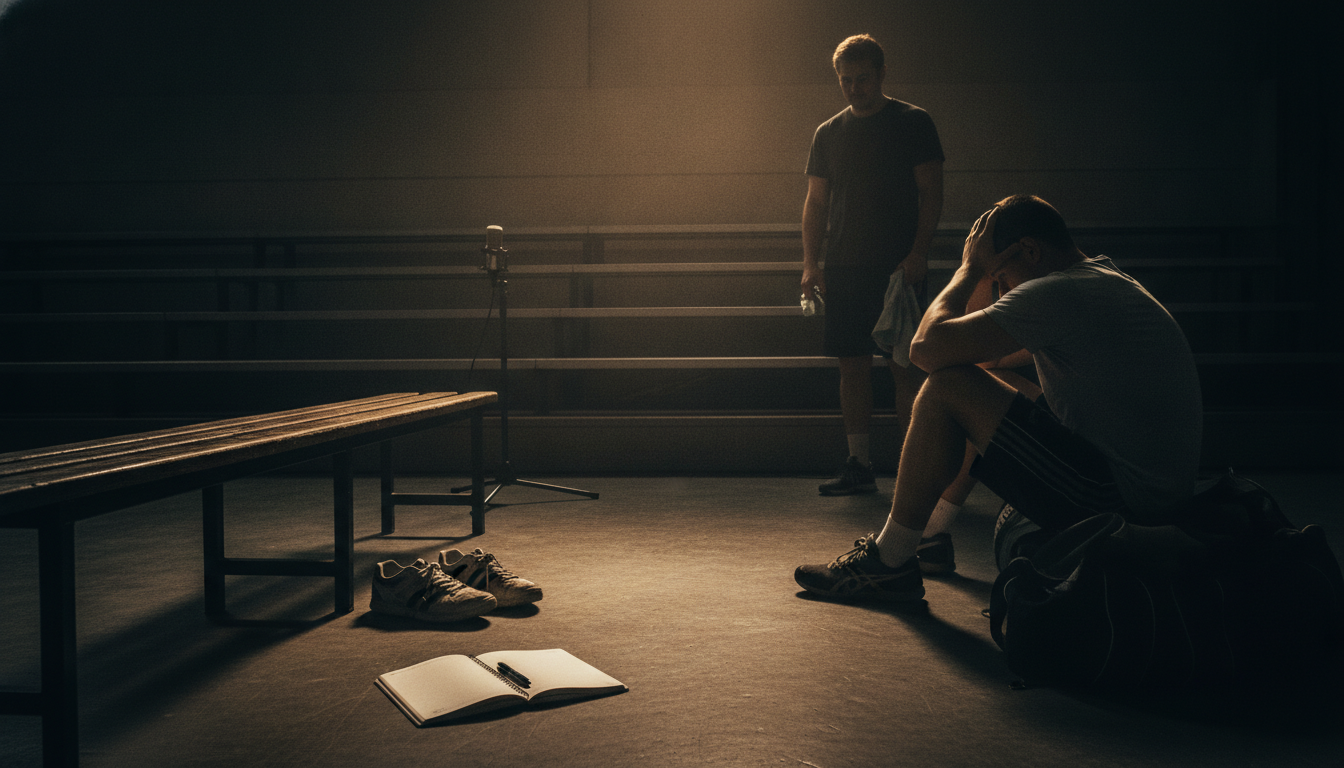
There is a persistent myth in sport that success is mostly a matter of doing more.
More training. More discipline. More sacrifice.
It is an appealing story because it is simple. For a beginner, it is often true. Train more often, eat better, stay consistent, and you will get stronger. But at the highest level, the equation changes. The margins shrink, while the costs rise exponentially.
That tension runs like a thread through the conversation between Westenwind Training host Stephan Bes and strongman Yoëll Blom. On the surface, it is about log presses, Atlas Stones and deadlift records. In reality, it is about something every ambitious athlete eventually confronts: the question of how much progress is still worth pursuing.
When getting stronger gets more expensive
Strength sport tends to reduce performance to numbers. A 200-kilogram deadlift. A 150-kilogram log press. A 200-kilogram stone.
The figures are visible. The price paid for them is not.
Blom has been among the top natural strongman competitors in the Netherlands for years. National titles, international podium finishes and records make for an impressive résumé. Yet his story carries surprisingly little triumphalism. On the contrary. He speaks more like someone who has come to know the other side of elite sport.
Because as the weights increase, so does the load. Not only on muscles and tendons, but on the entire life built around them.
A 180-kilogram deadlift and a 360-kilogram deadlift do not simply differ by 180 kilograms. They demand a fundamentally different investment in recovery. Training is no longer the limiting factor. Recovery is.
The forgotten element of elite sport
To outsiders, elite sport looks like a collection of heroic training sessions. Hours in the gym. Heavy weights. Pushing limits.
The reality is often far less spectacular.
At the highest level, performance sport consists largely of sleeping, eating, resting and waiting to recover. Those are precisely the elements that social media barely covers. They simply do not produce impressive videos.
Yet it is those invisible hours that determine how strong an athlete can truly become.
Many elite athletes discover sooner or later that their biggest enemy is not a competitor, but a lack of recovery. Not because they are working less hard than before, but because life outside sport is claiming more and more space.
That is where Blom's story becomes interesting.
The entrepreneur gains ground
Where his life was largely devoted to sport for many years, Blom now describes himself primarily as an entrepreneur.
He coaches dozens of athletes, runs a specialist strength and strongman gym together with colleagues, and carries responsibilities that extend well beyond his own performances. That is not an unusual situation in strength sport. Quite the opposite. Unlike many professional sports, most high-level athletes combine their sporting career with work, entrepreneurship or family life.
The training load often stays the same.
Only the time needed to recover from that load gradually disappears.
That can go surprisingly well for a long time. Months, sometimes. Even years. Until the body decides the bill must be paid.
Not in one dramatic moment, but in small signals. Fatigue that lingers. Aches that do not go away. Progress that keeps demanding more effort.
The question then shifts almost imperceptibly from how do I get stronger? to how long can I keep doing this?
The mature version of ambition
In many sports stories, ambition only ends when the results stop.
In mature elite sport, it often works differently.
The ambition remains, but takes on a different shape. Blom still talks about big goals. A deadlift approaching 370 kilograms. New records in events like the log press and Atlas Stone. The competitive drive has clearly not disappeared.
What seems to have changed is the willingness to pay any price.
That distinction matters. Especially at a time when sport is often presented as an endless pursuit of more. More volume. More discipline. More sacrifice.
There comes a point where making intelligent choices matters more than working harder. Not because the hunger fades, but because experience teaches that recovery capacity is ultimately the most valuable resource.
Every elite athlete who stays active long enough discovers the same truth: talent matters, hard work is essential, but sustainability ultimately determines the length of a career.
What strength really costs
Perhaps that is the most valuable lesson from the conversation.
Not that records are temporary. Not that performances fade. But that strength never comes for free.
Every kilogram on a barbell represents thousands of repetitions, countless training hours and choices that no one sees. At a young age, those choices feel self-evident. Later, they prove to be part of a constant negotiation between ambition and reality.
The outside world sees the weight being lifted.
The athlete feels the weight being carried.
That difference may explain what elite sport truly is better than any record list ever could.
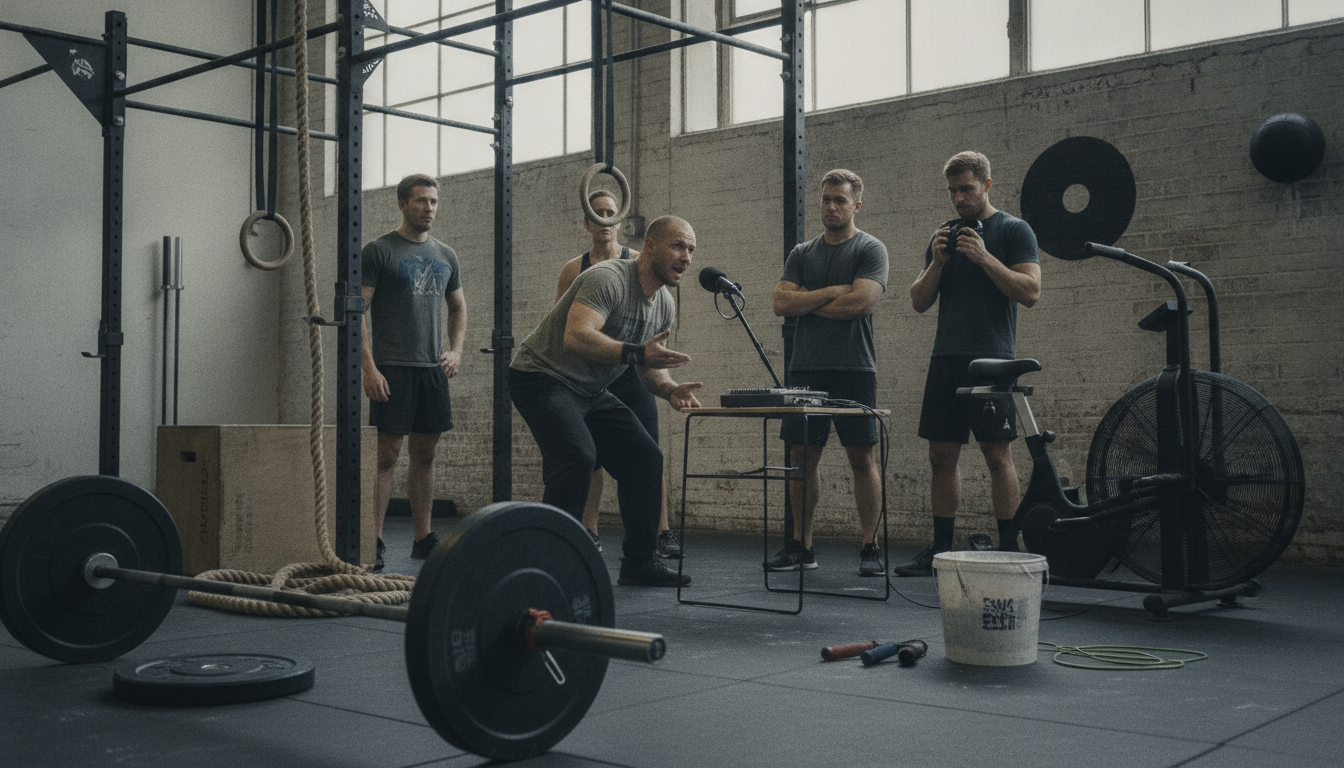
The full conversation between Yoëll Blom and Stephan Bes is available on the Westenwind Training Podcast, a conversation that ultimately has less to do with strength than with the price paid for it.