BurpeeTalk Original
David Wamsteker dreams bigger with the Amsterdam Throwdown
The Amsterdam Throwdown stands at a crossroads. For ten years the event grew into one of the best-known functional fitness competitions in the Netherlands, prized for its raw atmosphere and classic CrossFit character. But according to new owner David Wamsteker, standing still is no longer an option. His ambitions reach well beyond Dutch borders.
During his appearance on the podcast Burpee Talk, Wamsteker outlined a future in which the Amsterdam Throwdown grows into an event that attracts elite athletes and claims a permanent spot on the European calendar.
From gym floor to event building
For Wamsteker, the opportunity came unexpectedly. As the owner of CrossFit Hoofddorp and personal training company Physic, he had brought his businesses to a point where they largely ran themselves. The need for a new challenge grew.
When he heard that the Amsterdam Throwdown was for sale, he had an initial conversation with former owner Mariusz Szeliga. What started as a curious exploration ended in an acquisition.
"We can do this too," was his first thought. That ambition has since grown into a large-scale project in which a full team is working on the next phase of the event.
The Netherlands loses ground
The case for change, according to Wamsteker, goes beyond the Amsterdam Throwdown itself. He sees a broader development within the European functional fitness world.
While countries such as France, the United Kingdom and various Scandinavian regions have invested in recent years in professional events with large productions, livestreams and attractive prize money, the Netherlands, in his view, has remained relatively static.
That has consequences. Not only for elite athletes, but also for the visibility of the sport.
"Many Dutch athletes travel abroad for competitions. That is a shame. If you want to grow a sport, the big events need to take place on home soil too."
That statement strikes a sensitive chord within the Dutch CrossFit community. In recent years, more and more top athletes have chosen to compete mainly abroad, where larger stages and stronger fields await.
More than a competition
The new direction is not solely about elite sport, however.
In fact, during a series of dilemmas posed in the podcast, Wamsteker consistently chose community over performance. More spectators over a perfect livestream. More experience over prize money. And the local community over the presence of CrossFit Games athletes.
That may sound contradictory for someone pursuing European growth, but he believes that very combination is the key.
The Amsterdam Throwdown must transform from a competition into an experience.
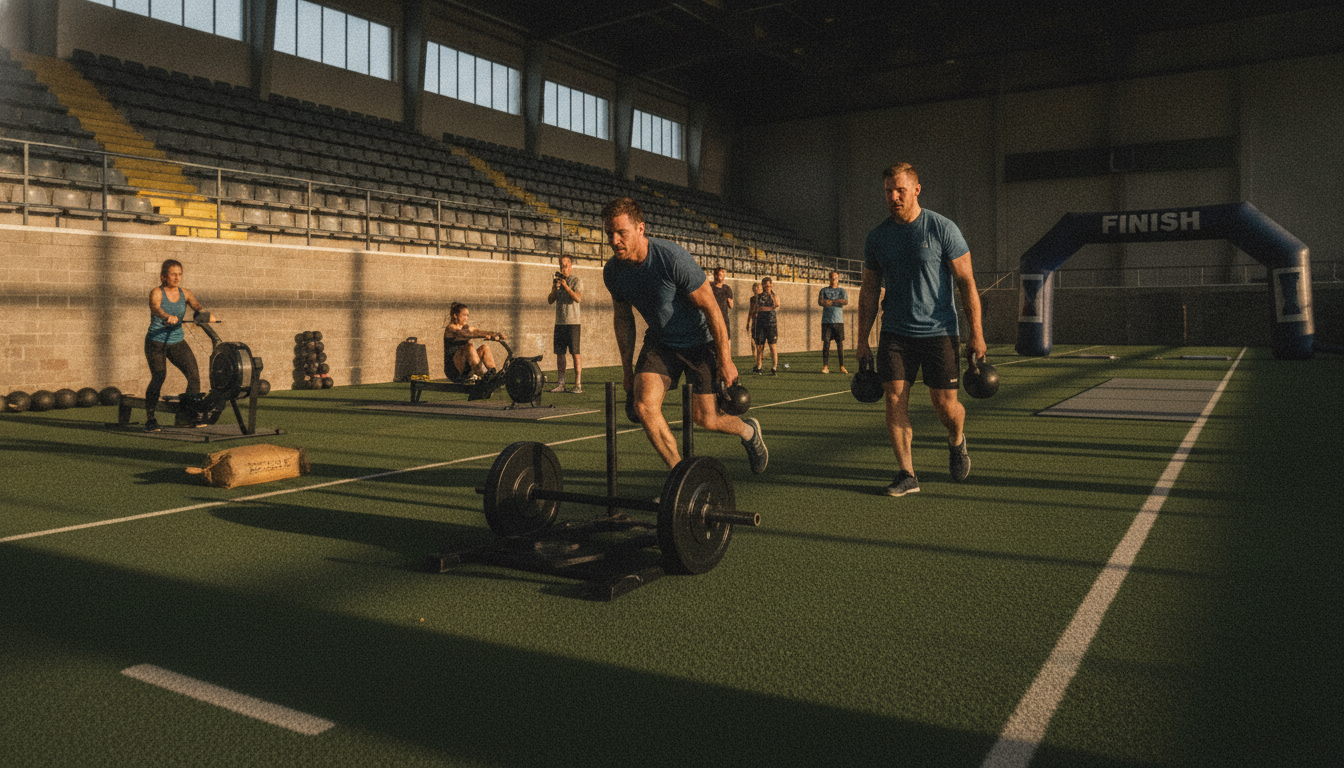
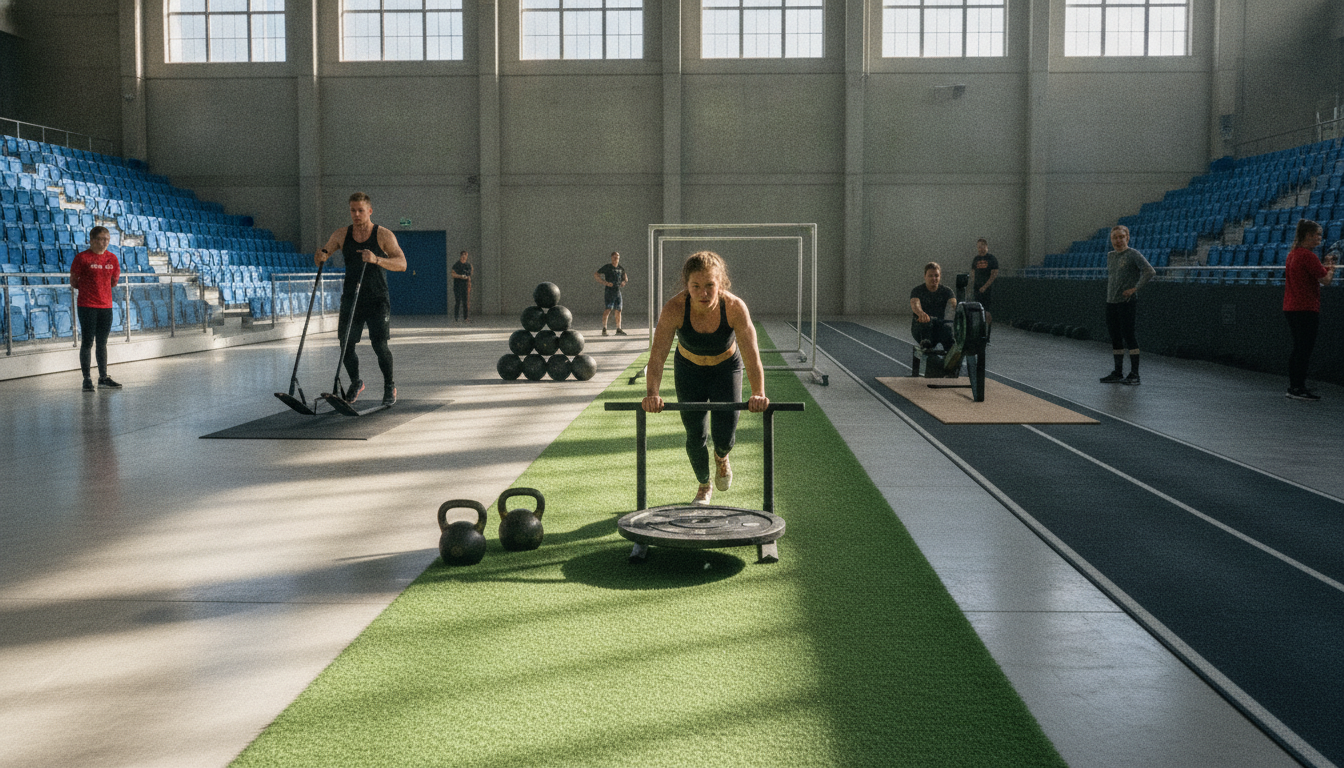
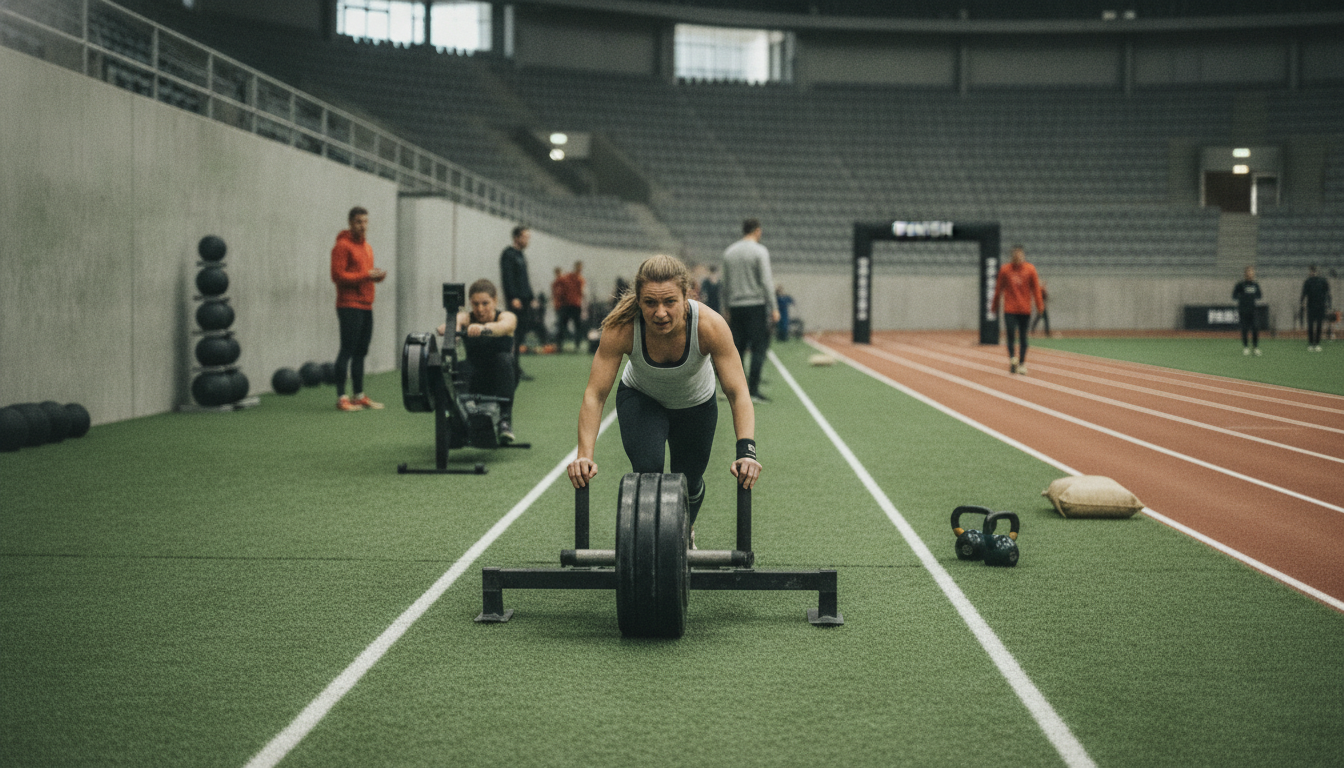
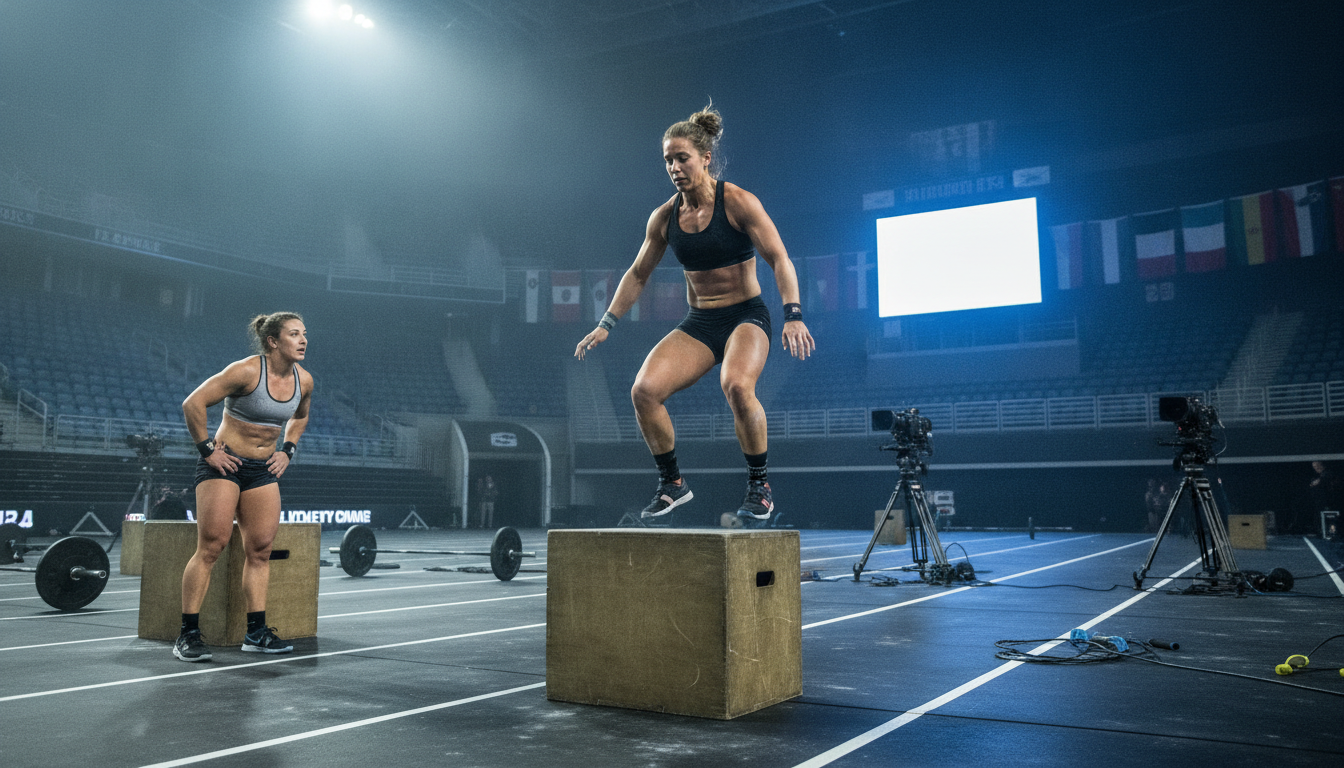
Not only the elite athlete should feel special, but also the participant who just barely qualifies for the final weekend. That is why investment is going into grandstands, livestreams, large screens, new media formats and extensive coverage.
The goal is for every finalist to experience the same professional environment.
"Why should the athlete who finishes just above the cutline deserve less of an experience than someone competing for the podium?"
A fitness festival in the making
That thinking extends beyond the competition floor.
Wamsteker speaks openly about reshaping the Amsterdam Throwdown into an event with the feel of a festival. A place where sport, community, media and partners come together.
That also means a new visual identity. The iconic old logo has made way for a more modern design and a completely revamped website.
According to the organisation, the brand needed to be prepared for the future.
Not to distance itself from the past, but to become recognisable to an audience that looks beyond the Netherlands alone.
Technology as a weapon
Technology is a key part of that professionalisation.
During the final weekend, both competition floors will be fully livestreamed. The organisation is also experimenting with applications that have rarely been seen in the CrossFit world before.
One of the most striking examples: bodycams for judges in the leading lanes.
This allows viewers at home and visitors in the venue to literally watch from the referee's perspective during crucial moments.
They are details, but according to the organisation they are precisely the elements that set an event apart from the competition.
The long term
For now, the focus is on this year's edition at the iconic Kromhouthal in Amsterdam. But anyone who listens carefully to Wamsteker can hear a bigger plan.
Success, for him, is not measured in one sold-out edition or a single major sponsor. It is about structural growth.
His goal is clear: within five years, the Amsterdam Throwdown must be an event that automatically appears in the calendars of athletes, coaches, gym owners, volunteers and fans.
Not because they feel obligated to come.
But because they do not want to miss it.
And perhaps that is the most ambitious workout the Amsterdam Throwdown has ever programmed.