BurpeeTalk Original
Fee Saghafi: the loneliness behind the strength of an elite athlete
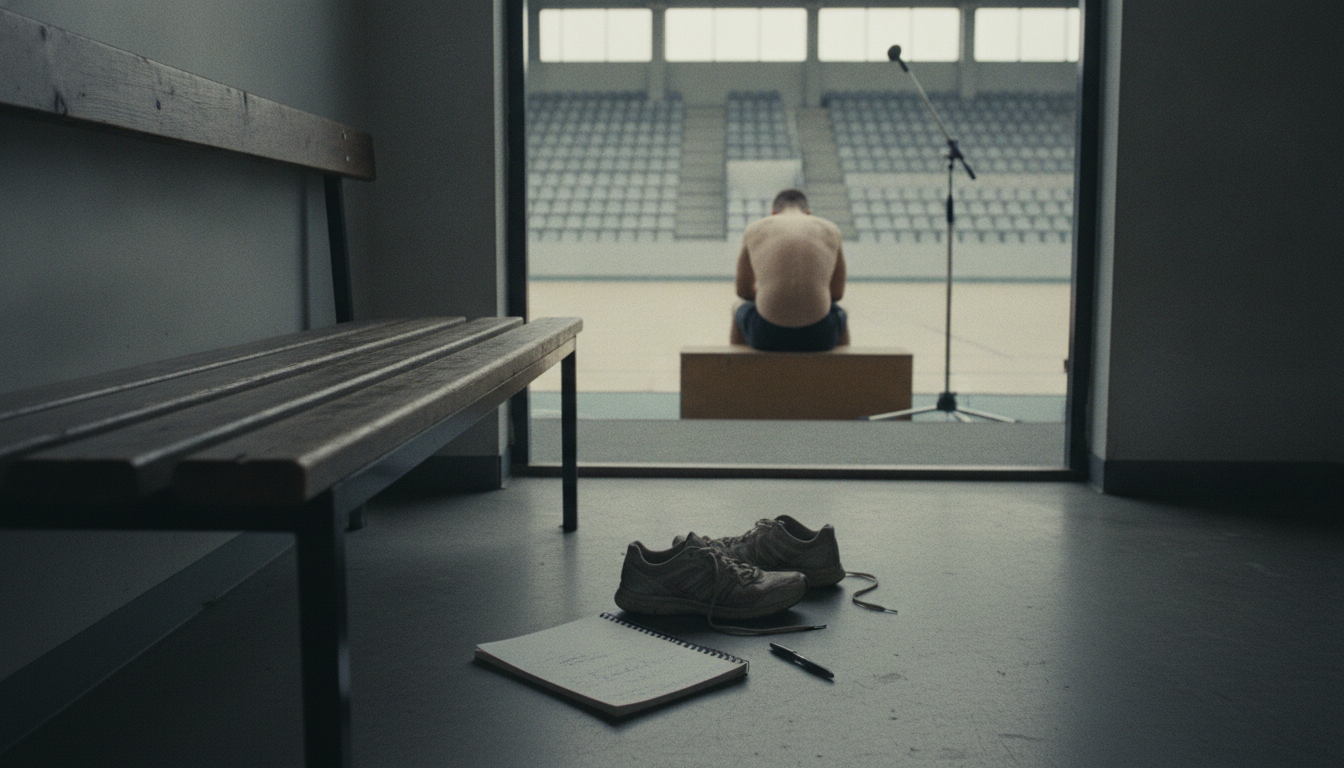
The loneliness behind the strength: what happens when an elite athlete loses her people
For years, CrossFit athlete Fee Saghafi built a career centered on discipline, perseverance and physical strength. But when injuries slowed her progress and her familiar training environment disappeared, she discovered that elite sport is less of an individual pursuit than it seems.
To an outsider, the life of an elite athlete looks straightforward. Train, recover, win competitions. Those who reach the top need discipline above all, and the mental strength to keep going when things get hard.
But what happens when not only the body works against you, but the environment that gave training its meaning disappears as well?
For American CrossFit athlete Fee Saghafi, that question became increasingly pressing. After years in which her life largely revolved around training and competition, she found herself in a period where injuries, changes in her social environment and the search for a new balance all converged. She had to rediscover what moved her forward and found that personal strength is not the same as having to do everything alone.
A new city, a different kind of training
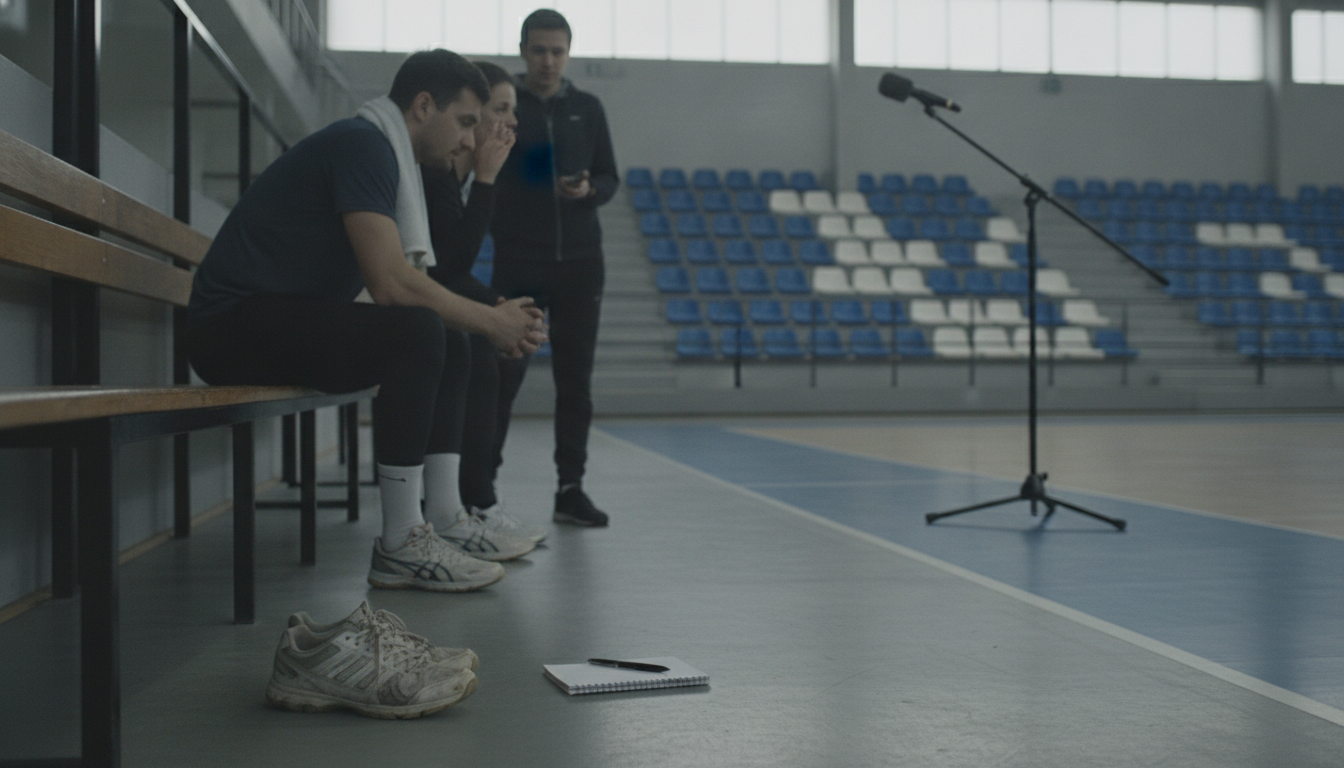
When Saghafi moved to Jacksonville, Florida, more changed than her address. The familiar environment in which she had trained for years was no longer a given. People she had spent time with daily had moved to other cities. The natural dynamic of a regular training group gave way to training alone more often.
That difference turned out to be greater than she had expected.
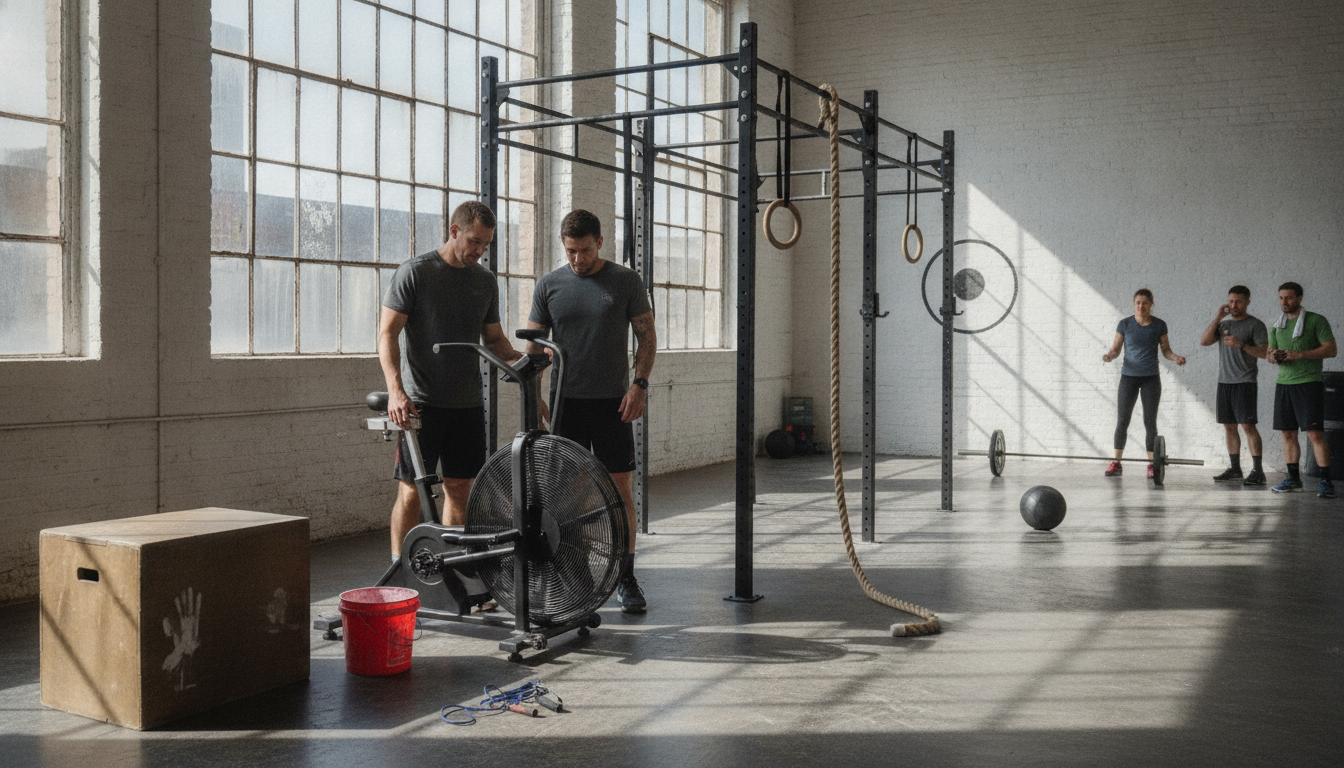
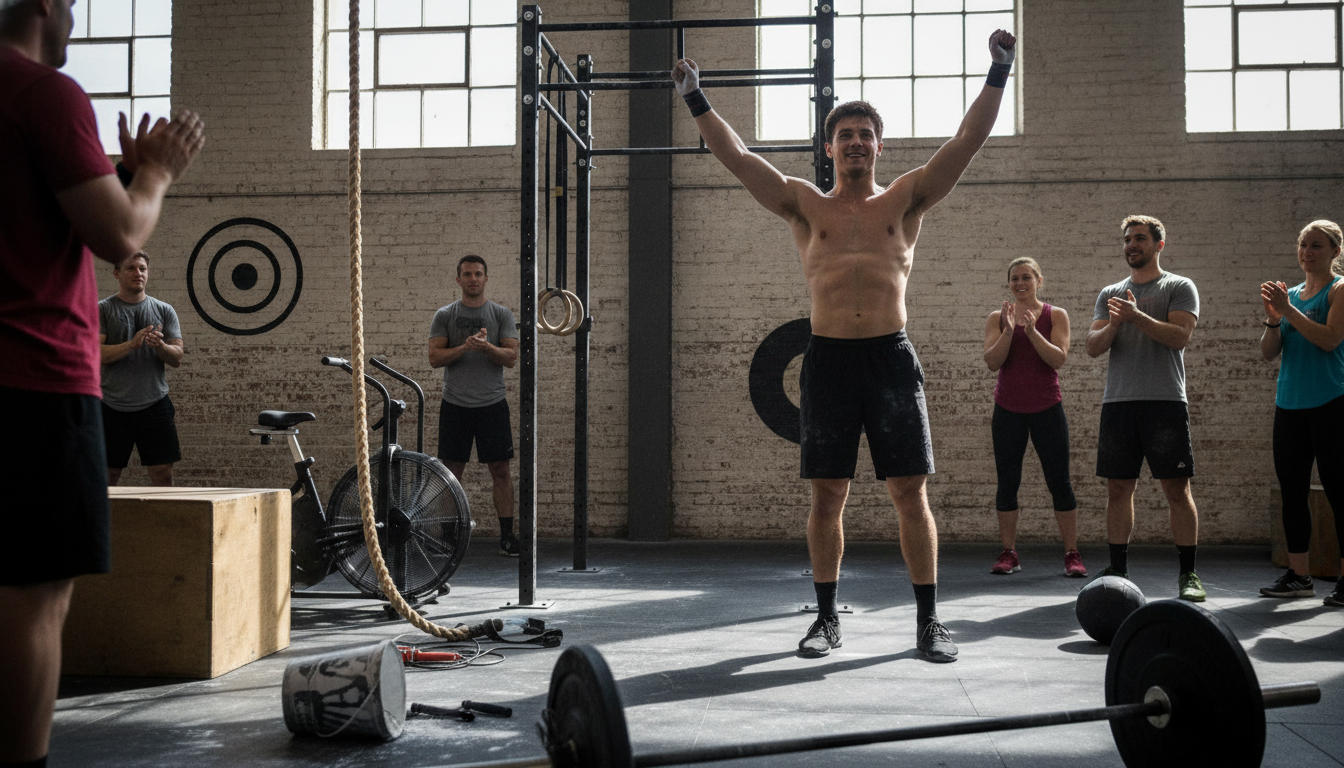
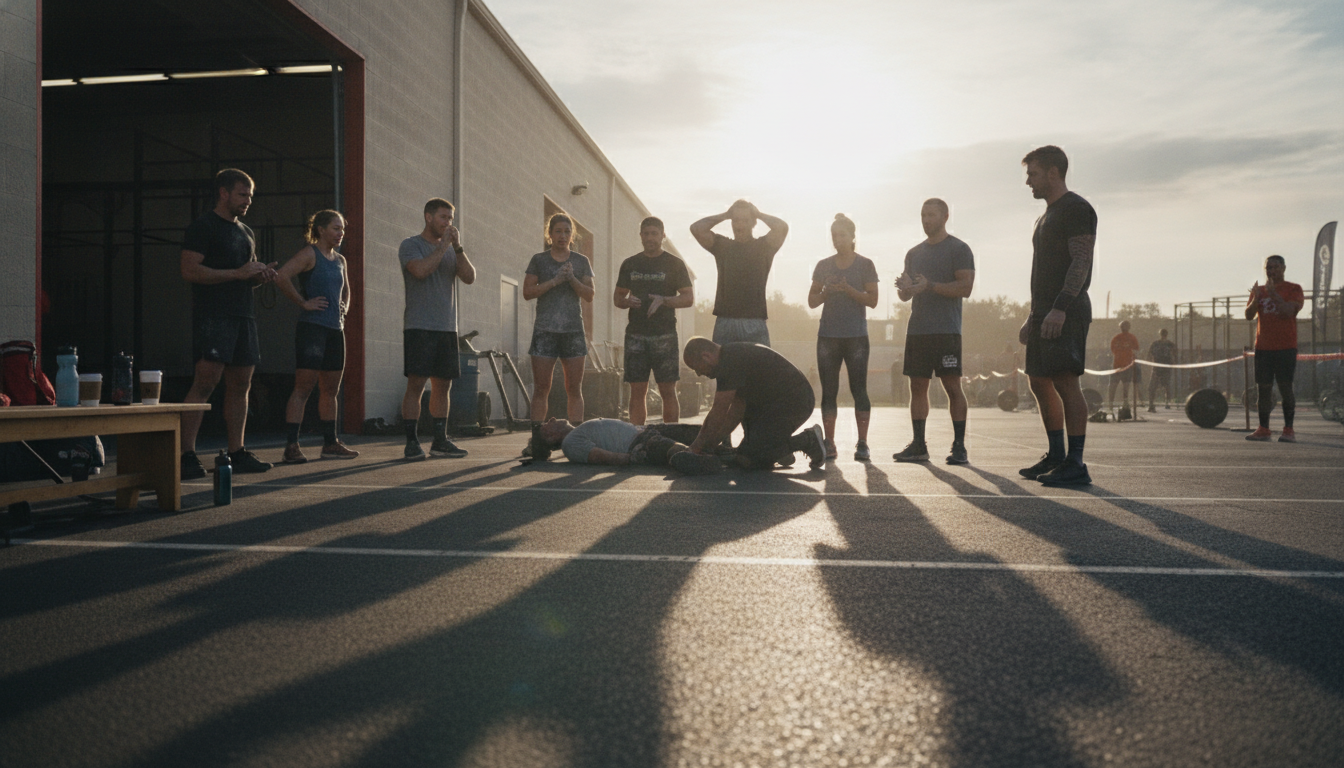
CrossFit is a sport in which individual performances are built within a collective environment. Athletes work toward their own goals, but often do so alongside others putting in the same effort. There is competition, encouragement and mutual recognition. You watch someone else finish a grueling workout and decide to push a little harder yourself. You rarely need to explain why a good training day means so much to you, because the people around you already understand.
In Jacksonville, Saghafi noticed that social dimension of her sport was less present. The training itself continued, but the enjoyment and sense of connection she associated with it came under pressure.
Her experience highlights a distinction that is easy to overlook in elite sport: being able to perform independently does not mean you have no need for community.
When the body does not cooperate
At the same time, Saghafi was dealing with injuries that complicated her athletic ambitions. A torn rotator cuff was followed by problems in her lower body. The road back proved anything but straight. Just as she made progress, a new setback could push her back again.
For an athlete accustomed to organizing her life around physical progression, that is a significant shift. Training is no longer simply a matter of working harder. It demands patience, adaptation and the acceptance of limits that are not always within your own control.
The consequences of injuries reach further than the body. Research into sports rehabilitation shows that the social environment plays an important role in how athletes experience their recovery. A consensus article reviewing fifty years of research on sports injuries describes how support from coaches, medical staff and loved ones can contribute to greater satisfaction and reduced anxiety and low mood during rehabilitation. A lack of support from the team, on the other hand, can make recovery more difficult.
That makes Saghafi's experience recognizable well beyond her own sport. An injury does not only temporarily remove an athlete from competition; it can also disrupt the daily contacts and routines that come with life in sport. At the very moment someone is training less, the need for connection can grow stronger.
The strength of a group
There is a tendency to admire elite athletes above all for their independence. They must follow their own training schedule, take responsibility for their performances and deal with disappointments. But that emphasis on self-reliance can obscure how many people it takes to keep an athlete performing at a high level.
A 2023 study in Psychology of Sport and Exercise examined the relationship between social support, group identity and sport-related burnout. The researchers found that social support was more strongly linked to protection against burnout when athletes felt a sense of belonging to the group providing that support. It is not only about people offering help, but also about the feeling that you belong with them.
That distinction is relevant for Saghafi. A training partner is not simply someone performing an exercise beside you. They can also be someone who notices when you are having a rough day, understands what a setback means or reminds you why you started in the first place.
The value of that kind of environment often only becomes clear when it is gone.
Back to Cleveland
Saghafi eventually returned to Cleveland, the city where her development as a CrossFit athlete first took shape. She rejoined CrossFit Mentality, the gym where she had trained before, and temporarily sought closer proximity to her family.
That return did not mean her athletic ambitions had faded. Quite the opposite: she wants to return to the CrossFit Games and compete against the best athletes in the world again. A top-ten finish remains a goal. But the priority now is building a healthy foundation and achieving full recovery.
Her competition history shows the level at which she operates. Saghafi competed at the CrossFit Games in 2019, 2023 and 2025, finishing seventeenth in 2025. Those results reflect her experience and determination, but they do not tell the whole story of what it takes to keep performing at that level.
The return to Cleveland therefore seems to mean more than a practical change of training location. It is also a choice for an environment where sport, friendship and daily life can come closer together again.
A life bigger than the leaderboard
Perhaps the most significant shift is that Saghafi no longer wants to tie her identity exclusively to competition results. During the period when she could not perform at her usual level, she found meaning in supporting others and organizing activities within the sports community.
She wants to create opportunities for women in fitness in Cleveland. That partly changes her role: from athlete standing on the competition floor to someone who also wants to make space for others.
That is not a farewell to ambition. It is more of an expansion of it. Sport remains important, but it no longer needs to be the only source of direction and fulfillment in her life.
For Saghafi, the challenge now lies in combining two desires: returning to the top and building a life in which her well-being is not entirely dependent on her results.
The person behind the athlete
Saghafi's story shows how fragile the image of the unyielding elite athlete can be. Discipline and perseverance are essential, but they do not exist apart from the people around an athlete. A training group can provide structure, a sense of identity and support when the body is not doing what the athlete asks of it.
The return to Cleveland is therefore more than a new chapter in a sporting career. It is also an acknowledgment of what lies behind that career: the need to belong somewhere.
In a sport where individual scores and rankings determine who stands at the top, that may be the most important lesson of all. An athlete can stand alone on the podium, but does not have to make the journey there alone.