BurpeeTalk Original
Lucy Campbell: Sponsored by Nike
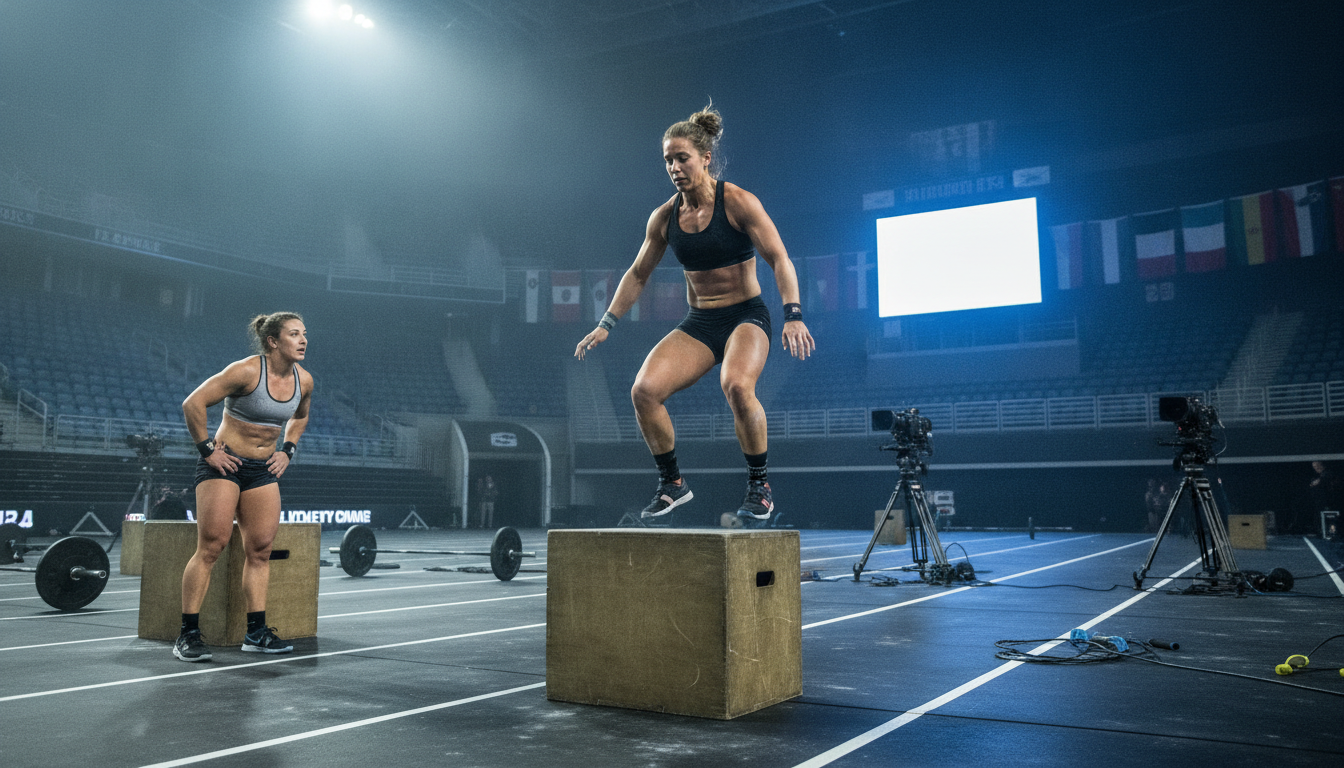
To outsiders, it may look like just a sponsorship deal. But for anyone who has followed the development of CrossFit over the past decade, the partnership between Lucy Campbell and Nike tells a much bigger story. It is the story of an athlete who was long regarded as one of Europe's greatest talents, then held back by injuries and uncertainty, and who has now reached a position that goes beyond results alone.
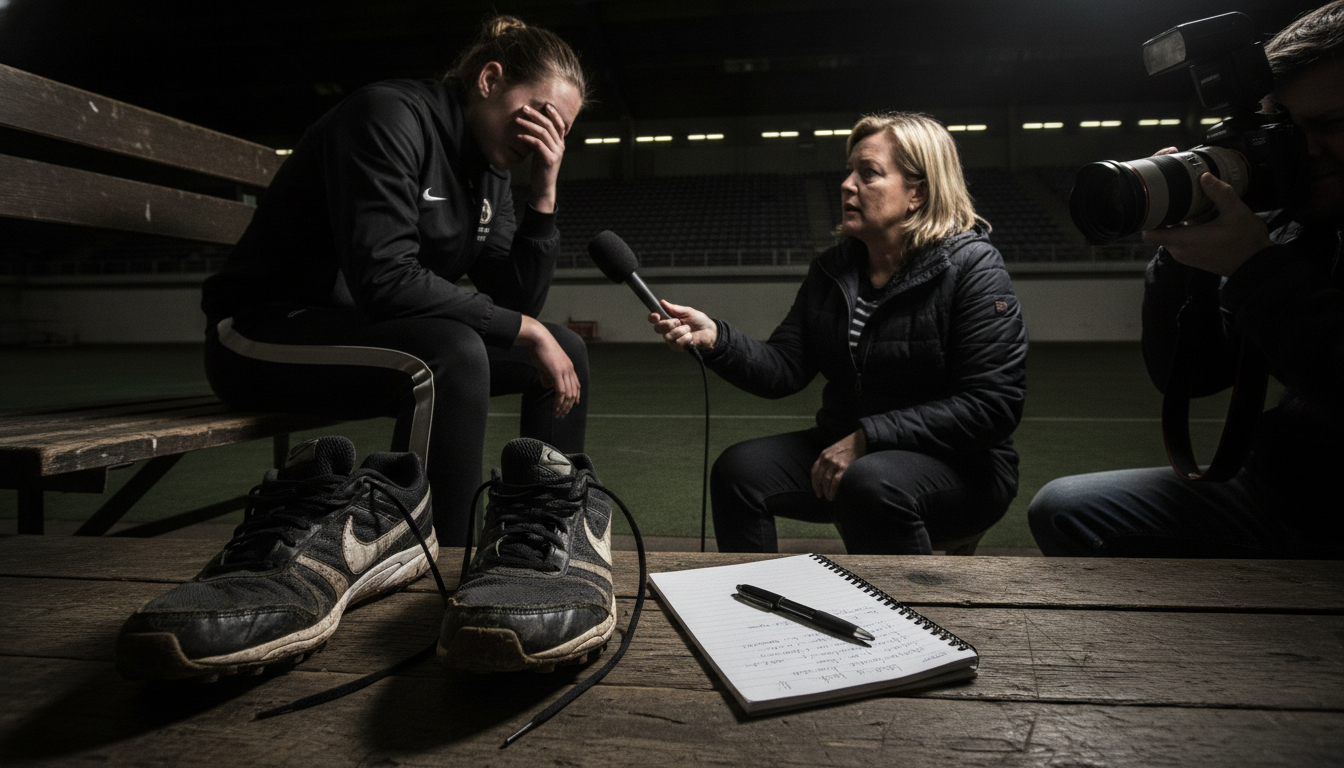
During a recent Nike activation, Campbell spoke at length about her career, her evolving view of elite sport, and the lessons she learned later than she would have liked. What stood out most was that the conversation barely touched on competitions, rankings or training schedules. Instead, it was about identity, recovery and the meaning of success in a sport still searching for broader recognition.
That is what makes her story compelling. Not only for CrossFit fans, but for anyone who wants to understand how modern elite sport is evolving.
A sponsorship that goes beyond CrossFit
Partnerships with major brands are nothing new in the CrossFit world. Yet Nike remains an exception. Where many sponsorship deals are limited to companies directly tied to the sport, Nike represents a global sports culture far larger than any single discipline.
Campbell acknowledges this herself.
"One of my dreams when I started getting sponsors was that I always wanted to be sponsored by a brand that was also outside of CrossFit."
It is a telling statement. CrossFit has millions of participants worldwide, but culturally it still occupies an in-between space. Within the community, athletes are recognisable as celebrities; outside it, often not. A Nike contract shifts that perspective. It places an athlete in a broader sporting context, alongside runners, footballers, tennis players and Olympians.
For Campbell, that feels like a form of recognition that goes beyond performance on the competition floor. She notes that friends who know little about CrossFit immediately understand how significant a partnership with Nike is. That says something not only about the brand, but also about the growing visibility of CrossFit athletes beyond their traditional following.
The value of a difficult story
What sets Campbell apart from many of her contemporaries is that her career has rarely followed a straight line.
At several points she seemed ready to break through definitively into the absolute world elite. Then came injuries, setbacks and periods in which her development stalled. For many athletes, that marks the end of ambition. For Campbell, it ultimately became an essential part of her identity as a competitor.
When the conversation shifts to inspiration and role models, she does not reach for the obvious answers. She does not name champions or record holders. Instead, she points to athletes who have been through difficult periods and kept going regardless.
"It's never the ones that are just the best. It's the ones that have really had to overcome something."
That remark says a great deal about the current generation of CrossFit athletes. The sport has undergone a shift in recent years. Where raw physical performance once took centre stage, appreciation for stories of perseverance, recovery and personal growth is steadily increasing.
Campbell seems to be living proof of that. It is precisely the moments when she could not train, could not compete and had to accept that her body had limits that changed her perspective.
There is even a note of quiet surprise in the conversation when she reflects on her own role within the sport. She once looked up to athletes who had overcome difficult circumstances. Now, more and more people are recognising that her own career belongs in that same category.
A sport coming of age
Equally interesting is her view on the mental side of elite sport. At the Nike event, Campbell takes part in various sessions focused on breathing, focus and mindfulness. Not long ago, such topics would have been dismissed as peripheral in many CrossFit boxes.
Today, that has changed.
Elite athletes are paying increasing attention to psychological preparation. Not because it is fashionable, but because the margins at the top keep shrinking. When everyone is strong, fit and technically skilled, the difference is often made in the mind.
Campbell describes how physical and mental performance are often treated as a single whole, when in reality they are separate systems in constant interaction. That understanding seems to have helped her more and more in recent years.
Notably, she admits that she was probably already using many of these techniques without realising it. The real challenge, she says, lies in applying them consistently in the moments when pressure is at its highest.
It is a familiar pattern in elite sport. Athletes spend months preparing, only to abandon the very routines that made them successful in the lead-up to the most important competitions.
The lesson that came late
Perhaps the most striking part of the conversation concerns recovery.
While many young athletes believe that progress comes solely from training harder, Campbell speaks with notable openness about the mistakes she made along the way. Asked when she began giving recovery the same priority as training, she answers with a smile but without hesitation: much later than she would have wanted.
It is an insight that comes up with increasing frequency among experienced athletes. As the sport becomes more professional, the focus shifts from training volume to resilience. Ultimately, it is not the hardest training week that determines success, but the ability to keep training healthily year after year.
For Campbell, that meant reassessing fundamentals such as sleep, nutrition and daily routines. Things that may seem unremarkable, but which virtually every elite athlete identifies as the foundation of sustained performance.
It fits a broader development in CrossFit. The sport is growing older, smarter and more professional. Athletes are no longer looking only for ways to work harder, but above all for ways to keep performing at a high level for longer.
More than a Nike athlete
It would be easy to present Campbell's Nike contract as a straightforward commercial success story. In reality, her story reveals something different.
Lucy Campbell's appeal does not rest solely on her results. She represents a generation of athletes who have learned that progress is rarely linear. That injuries, setbacks and doubt are not obstacles that define a career, but parts of a process that ultimately gives meaning to success.
That is precisely why the partnership with Nike feels like more than a sponsorship agreement. It is not only a recognition of her achievements as a CrossFit athlete, but also of the story behind them.
And in a sport that places ever greater value on authenticity, that may well be the most valuable achievement of all.