BurpeeTalk Original
Lucy Campbell on the emptiness of success

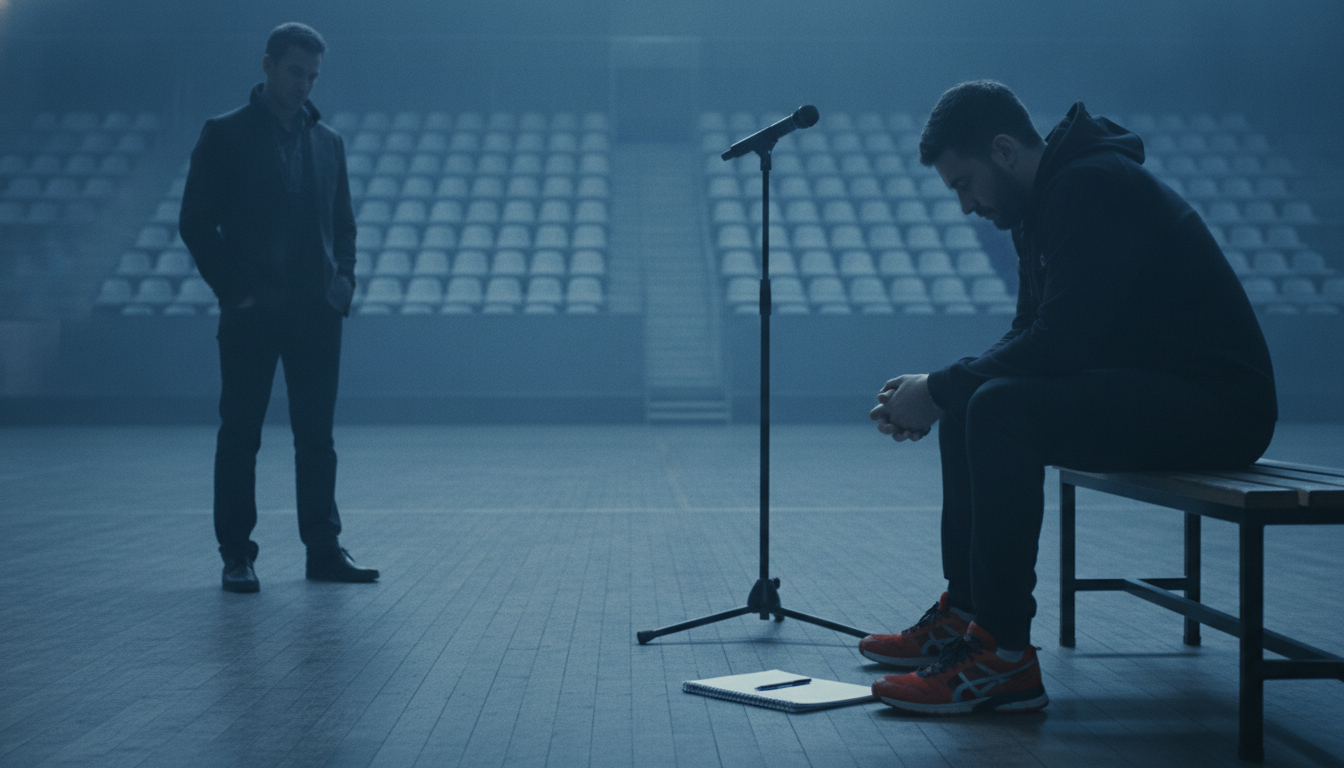
She stood on the CrossFit Games podium once again. For many athletes, that would be the ultimate proof that years of sacrifice were worth it. Yet Lucy Campbell offers no triumphant celebration, no sense of completion. Quite the opposite. At the very highest level, success turns out to be a strangely elusive possession.
"You think everything changes when you get there," the British athlete said recently in a wide-ranging conversation about her second consecutive podium finish. "But fundamentally, nothing changes."
It is a remarkable statement at a time when elite sport is often sold as a straight road to happiness. Train more, win more, achieve more. The reality, as Campbell describes it, is considerably more complicated.
Life after the podium
Campbell had her breakthrough in 2025 with a podium finish at the CrossFit Games. A year later she confirmed her status with another top-three finish among the world's best women. Two results that, to the outside world, look like the definitive crowning achievement of a career.
For Campbell, it felt different.
She acknowledges that a podium finish opens doors, creates opportunities and moves her career forward. But the person behind the athlete is not changed by it. The insecurities remain. So do the doubts.
"You are not a better person because you are standing on the podium," she said plainly. "And you do not suddenly become the person you always thought you would be."
That insight is not unique to CrossFit. Olympic champions, world champions and elite athletes from virtually every discipline describe the same phenomenon. The long-cherished goal, once reached, turns out to be not a final destination but a waypoint.
The engine behind top performance
In that, according to Campbell, lies one of the great paradoxes of elite sport.
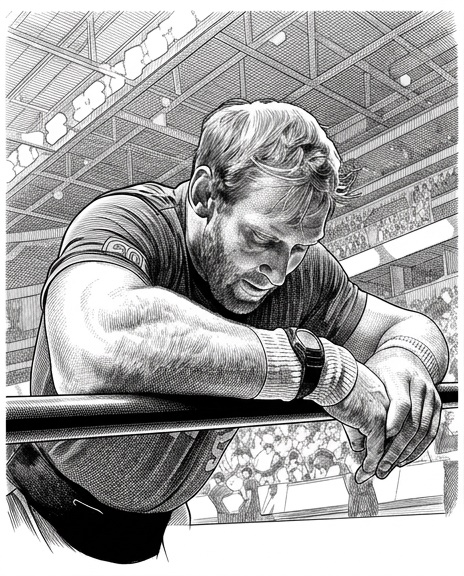
The qualities that carry an athlete to the top of the world are often the same qualities that make it difficult to feel satisfied. Where outsiders see a podium finish, the elite athlete sees mostly the missed opportunities.
Campbell offers plenty of examples from her own experience. She thinks back to lost seconds, to events where she finished just behind a competitor, and to technical elements she believes could have been better.
To an outsider that might sound unreasonable. To an elite athlete it is everyday reality.
"There are a lot of things I am proud of," she says. "But there are also things where I think: let's get to work on those straight away."
It is that constant pursuit of improvement that makes her successful on one hand, yet prevents her from dwelling long on what has already been achieved on the other.
The illusion of 'one more time'
Perhaps the most fascinating part of Campbell's story is what happens after a major goal has been reached.
Many athletes tell themselves the same thing for years: if I achieve this, I will feel complete. If I win, everything will change.
When that moment finally arrives, the sense of satisfaction often turns out to be smaller than expected. For some, a new thought then emerges: maybe I need to do it one more time.
One more podium. One more title. One more victory.
The danger is that the finish line keeps moving.
Campbell speaks about this with striking honesty. Not as a criticism of ambition, but as a realistic description of the mechanism that drives many elite athletes.
The hunger required to reach the top does not automatically disappear once that top has been reached.
A healthier balance
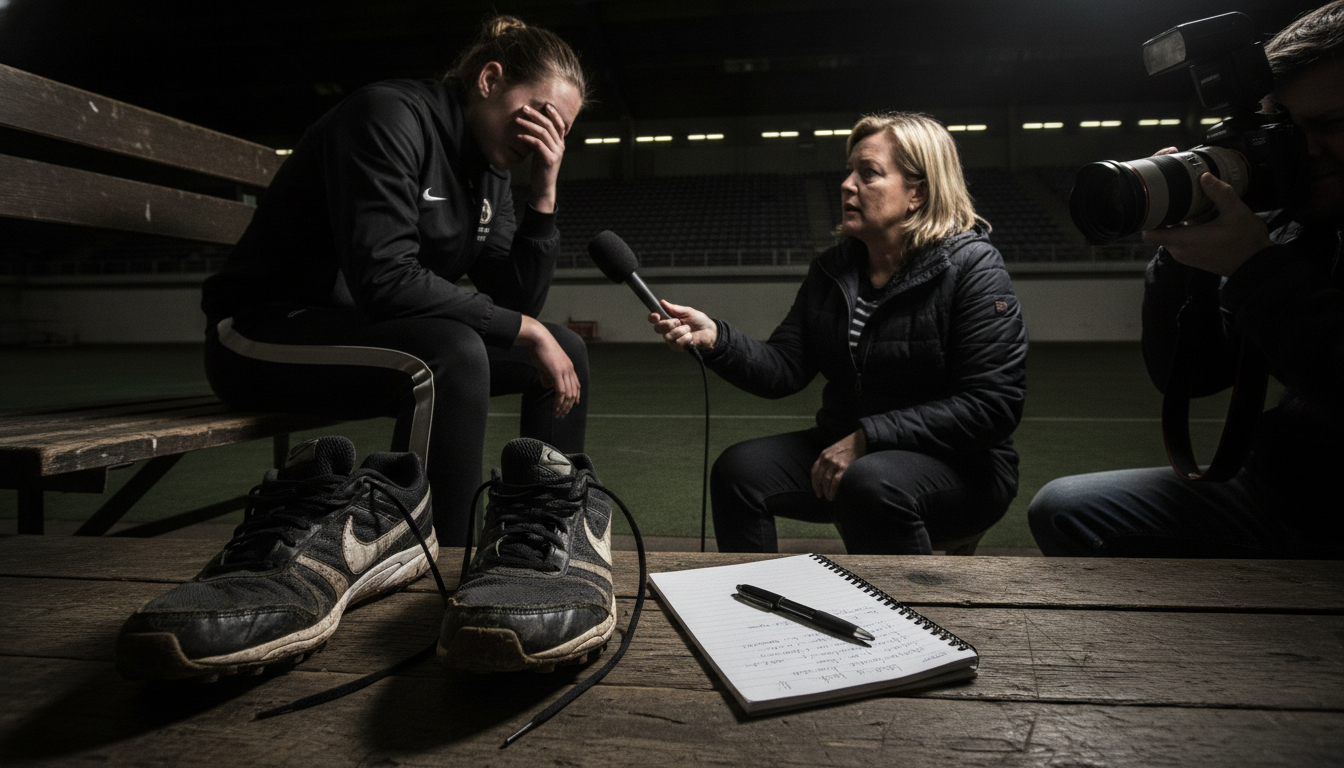
That is precisely why Campbell now works with a sports psychologist. Not because she wants to lose her competitive instinct, but because she wants to learn to handle the mental load that comes with it.
She describes how the weeks leading up to major competitions are often harder than the competitions themselves. How doubt and uncertainty are sometimes louder than confidence. And how important it is to develop strategies for those moments.
That does not mean the critical inner voice disappears.
It does mean she is learning to recognise when that voice is helpful and when it is not.
More than a result
Perhaps that is ultimately the most important lesson from Campbell's story. Behind podium finishes, medals and prize money lies a far more human reality.
The Briton now belongs to the absolute world elite of CrossFit. Yet she does not sound like someone who thinks she has arrived. She sounds more like someone who is beginning to understand that success is not a destination but a snapshot in time.
And perhaps that awareness is exactly the reason she continues to stay dangerously close to the top.
Because where others see a podium as the end of the journey, Lucy Campbell seems to see it above all as the beginning of the next challenge.