BurpeeTalk Original
Where are the CrossFit fans?
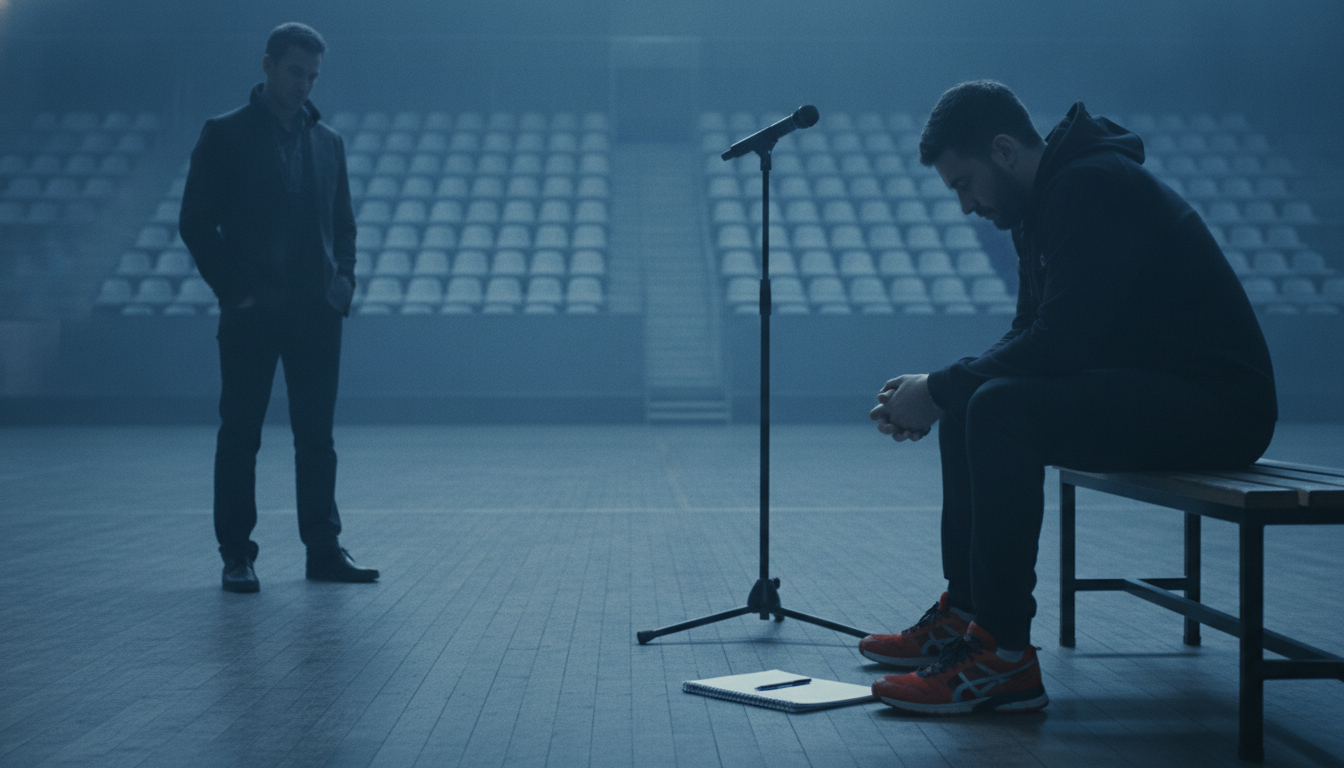
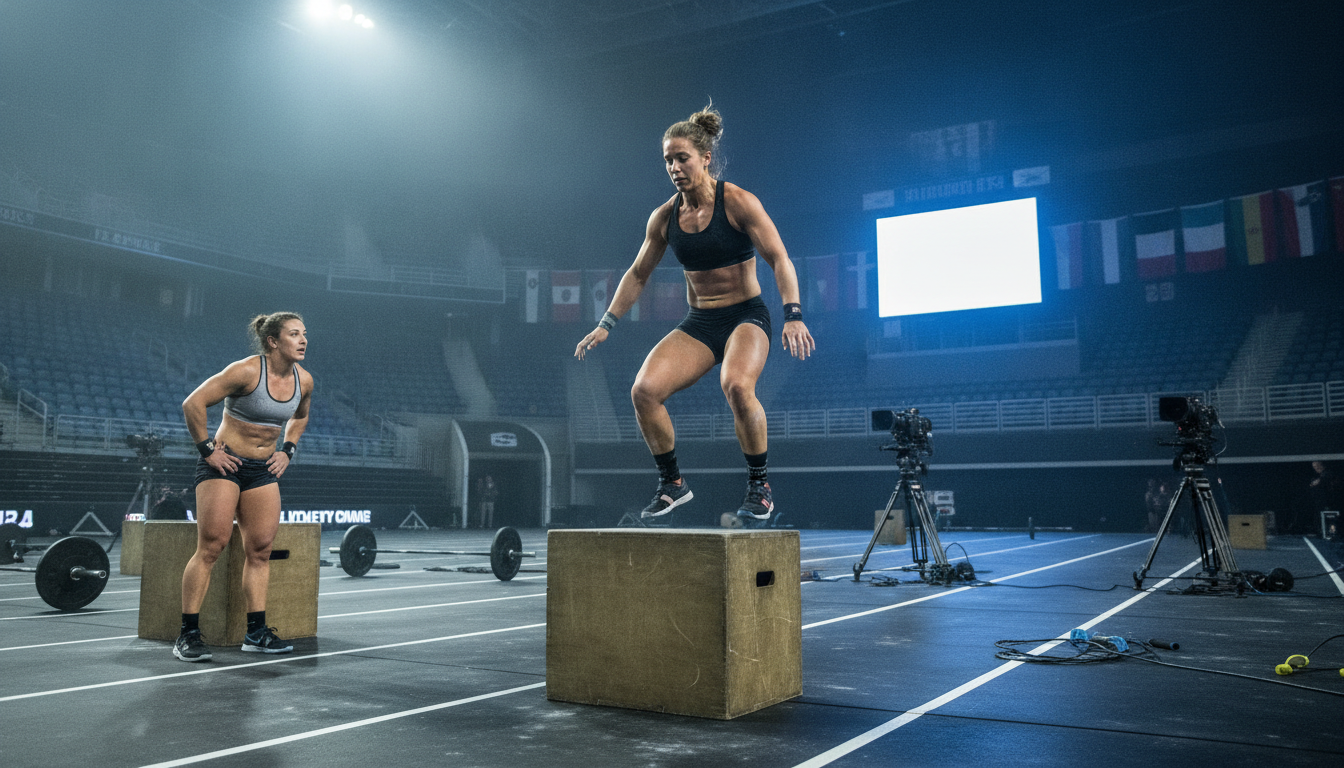
Competitions are growing larger, livestreams are drawing hundreds of thousands of viewers, and brands like Adidas, Reebok and Red Bull are investing in the sport again. Yet one question keeps hanging in the air: where are the fans?
During a candid conversation about the future of the World Fitness Project (WFP), co-organizer Jason Grubb spoke about a problem that, in his view, goes beyond his own organization and touches the entire CrossFit world. Because even as the sport shows signs of recovery, packed stands are far from guaranteed.
Livestream grows, stands lag behind
The contrast is striking. According to Grubb, the World Fitness Project saw strong online viewership during recent events. At the same time, the hoped-for crowd at the London event never materialized.
That raises questions that extend well beyond a single competition.
"I think the entire sport needs to ask itself where the fans are and what we're missing," Grubb says.
That analysis is not limited to WFP. The CrossFit Games have also struggled with attendance figures in recent years. Where the sport once counted on an almost festival-like atmosphere around Regionals and major competitions, getting fans to actually show up in person now seems harder than ever.
The disappearing regional hero
According to Grubb, part of the explanation lies in changes to the competitive landscape.
For years, the Regionals created a direct connection between elite sport and the local affiliate. Fans watched athletes from their own region rise to the highest level and felt personally invested in their performances.
That dynamic has partly disappeared, he argues.
With many top athletes now training within specialized training groups or working entirely on their own, the link to the average CrossFit member has become less self-evident.
"In the past it felt like an athlete represented your region. Even if they weren't from your city, there was still a connection."
When that connection fades, traveling hundreds of kilometers for a competition becomes harder to justify.
The role of the affiliate
That is why Grubb stresses the importance of the affiliate as the foundation of the sport.
In his view, top athletes have a responsibility not only to sponsors and organizers, but also to the gyms where the sport first grew to prominence.
He argues that athletes should be more visible within the community. A visit to an affiliate, a clinic, or simply joining a group class can have more impact than many people realize, he says.
"Those are the people who keep us going in the long run."
It is a message that is being heard more and more within the sport. As CrossFit becomes increasingly professional, so does the concern that the gap between elite athletes and the average member is widening.
More than one organization's problem
The discussion also touches on a broader economic reality. Major events do not run on livestreams alone. Sponsors, exhibitors and partners want to see full halls, feel an atmosphere and make direct contact with the community.
For organizations like WFP, and for independent events such as Monster Games, attendance figures help determine how attractive the sport remains to investors.
That explains why Grubb does not see the success of WFP as separate from the success of CrossFit itself.
"When CrossFit is healthy, we are healthy."
It is a notable statement from someone who helps lead an organization often seen as a rival to the CrossFit Games. But according to Grubb, all events ultimately benefit from a strong and engaged fitness community.
A cautious revival
That said, the picture is not entirely bleak. Many people involved in the sport saw signs of growth at this year's CrossFit Games. More interaction between athletes and fans, more enthusiasm around the competitions, and a more optimistic feeling than the sport has known in some time.
The question now is whether that energy can translate into full stands.
Because no matter how advanced the livestream is, and no matter how many social media followers an athlete has, one image remains the most powerful: an arena packed with fans who leap to their feet the moment their favorite athlete steps onto the floor.
That may be the biggest challenge facing CrossFit and the World Fitness Project alike. Not getting more people to watch the sport, but giving them a reason to want to be there in person.