BurpeeTalk Original
Why CrossFit is increasingly turning to an upper/lower split
The training method that manages fatigue more intelligently
In the world of CrossFit, much of the discussion revolves around volume, intensity and the latest training methods. Yet a growing number of coaches are opting for something more commonly associated with bodybuilding and strength sports: the upper/lower split.
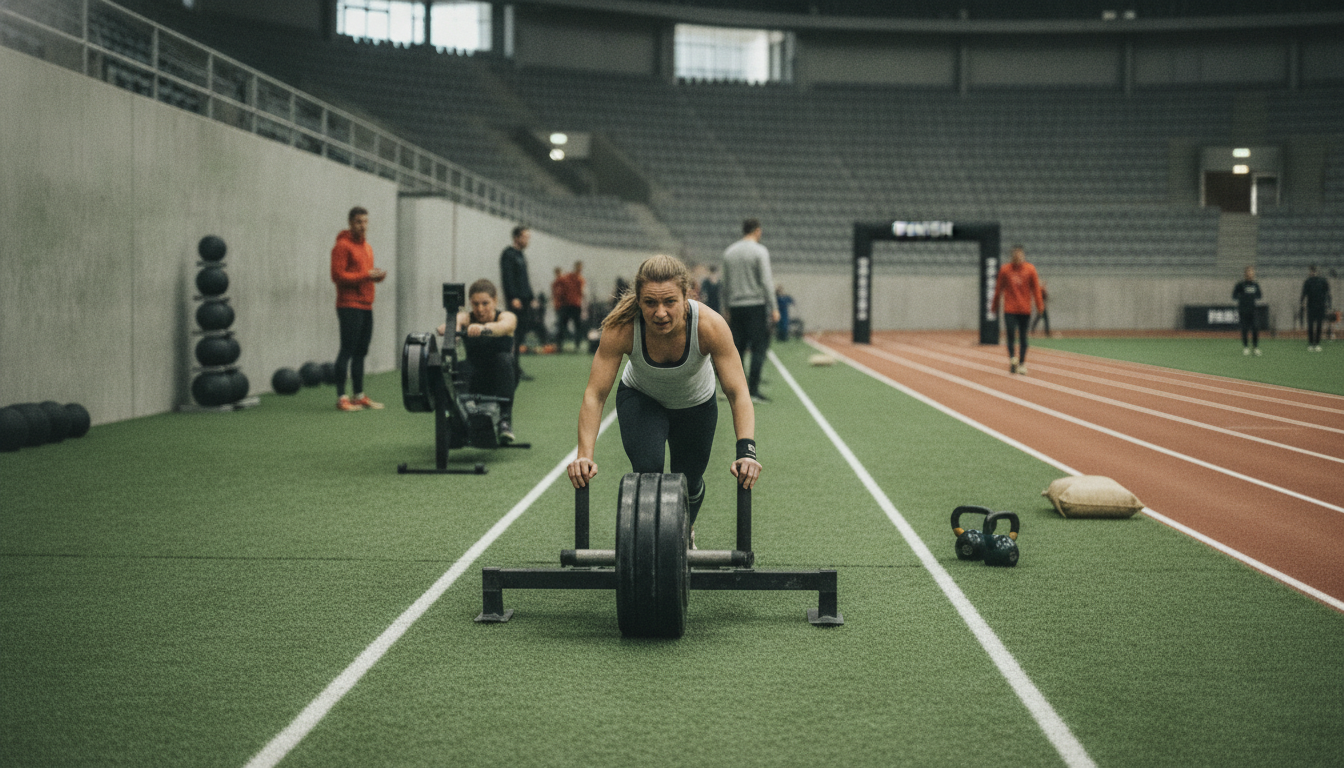
Within the latest programming from Brute Training, this approach forms the backbone of the offseason program. Three days upper body, two days lower body. At first glance that may seem surprising for a sport known for full-body loading, but there is clear training logic behind the choice.
Not training more, but recovering smarter
CrossFit athletes face a unique challenge. They must simultaneously become stronger, fitter, more explosive and more skilled. That means virtually every energy system and every muscle group is taxed week in, week out.
According to coach Jaden, the key therefore lies not only in training harder, but above all in managing fatigue.
An upper/lower split offers a straightforward advantage here: when the lower body is heavily loaded, the upper body gets to rest. On the next training day, those roles are reversed. That alternation allows muscle groups to recover sufficiently without reducing overall training frequency.
For athletes training five or even six days a week, that difference can be substantial.
The overlooked problem: the central nervous system
While many athletes think primarily of muscle soreness as a measure of recovery, coaches are increasingly looking at another factor: stress on the central nervous system.
Heavy squats, Olympic lifts and intensive barbell training do not only cause local muscle fatigue. They also place significant demands on the nervous system responsible for force production, coordination and explosiveness.
A training week with three heavy lower-body days can therefore quietly lead to reduced performance, even when the muscles themselves feel reasonably recovered.
By concentrating lower-body training on two specific days, more space is created between these so-called high CNS loads. The result is that athletes can begin the next strength session feeling fresher and receive higher-quality training stimuli.
That may seem like a minor detail, but at a high level such nuances often make the difference between progress and stagnation.
More attention to gymnastic weaknesses
The choice for three upper-body days has a second reason as well.
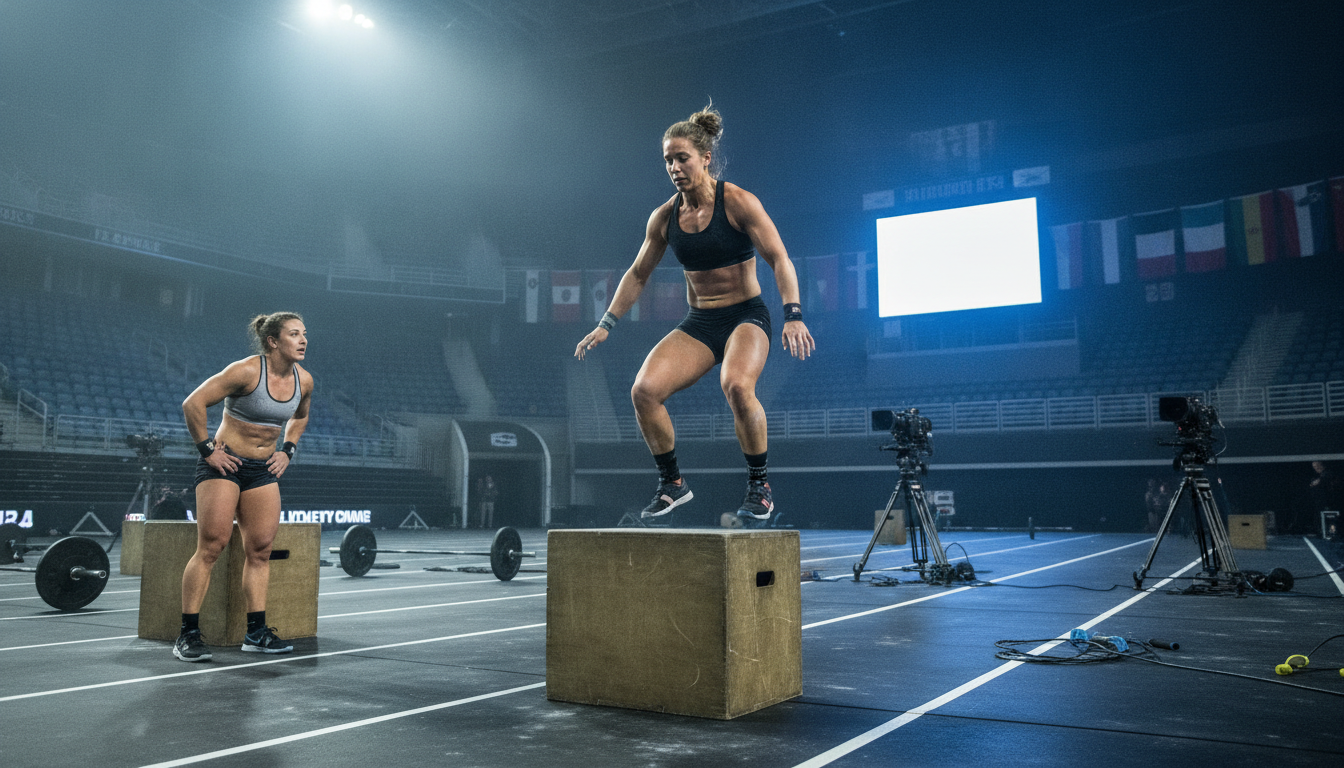
Many CrossFit athletes do not lose their position in competitions on squats or deadlifts, but on gymnastics movements. Ring muscle-ups, strict handstand push-ups and pull-up variations prove year after year to be decisive factors during qualifier events.
For coaches, that is a clear signal.
Gymnastic strength generally develops more slowly than general strength. Building a stronger squat takes time, but an efficient muscle-up or powerful strict handstand push-up often requires even more technical and neurological adaptation.
Dedicating three sessions per week to upper-body development creates more room for technical repetitions, strength work and targeted muscle development without compromising recovery.
A modern perspective on CrossFit programming
The approach also reflects a broader development within the sport. Where CrossFit was once often associated with maximum intensity and getting as much work done as possible, more and more coaches are choosing a more structured, sports-science-driven approach.
The offseason is no longer purely about working hard. It is about building a foundation.
That means tempo squats instead of maximal squats. Positional Olympic lifts instead of heavy singles. Aerobic endurance training instead of daily grueling metcons. And with that, a training structure that actively supports recovery.
The lesson for the average athlete
For recreational CrossFitters, this may be the most important takeaway.
When progress stalls, the solution is not automatically more volume or more intensity. Sometimes a better distribution of training load delivers more than an extra workout.
A well-structured upper/lower split shows that recovery is not an interruption of training. Recovery is part of training.
And in a sport where athletes want to develop everything at once, that simple truth is increasingly proving to be the secret weapon.