BurpeeTalk OriginalBackground
A tough test, not always a show
The CrossFit Games 2026 will be remembered as one of the most complete fitness tests in recent years. With twenty events spread across five days, the organizers managed to test virtually every aspect of physical capacity. Yet the programming also showed that a solid fitness test does not automatically produce a compelling sports show.
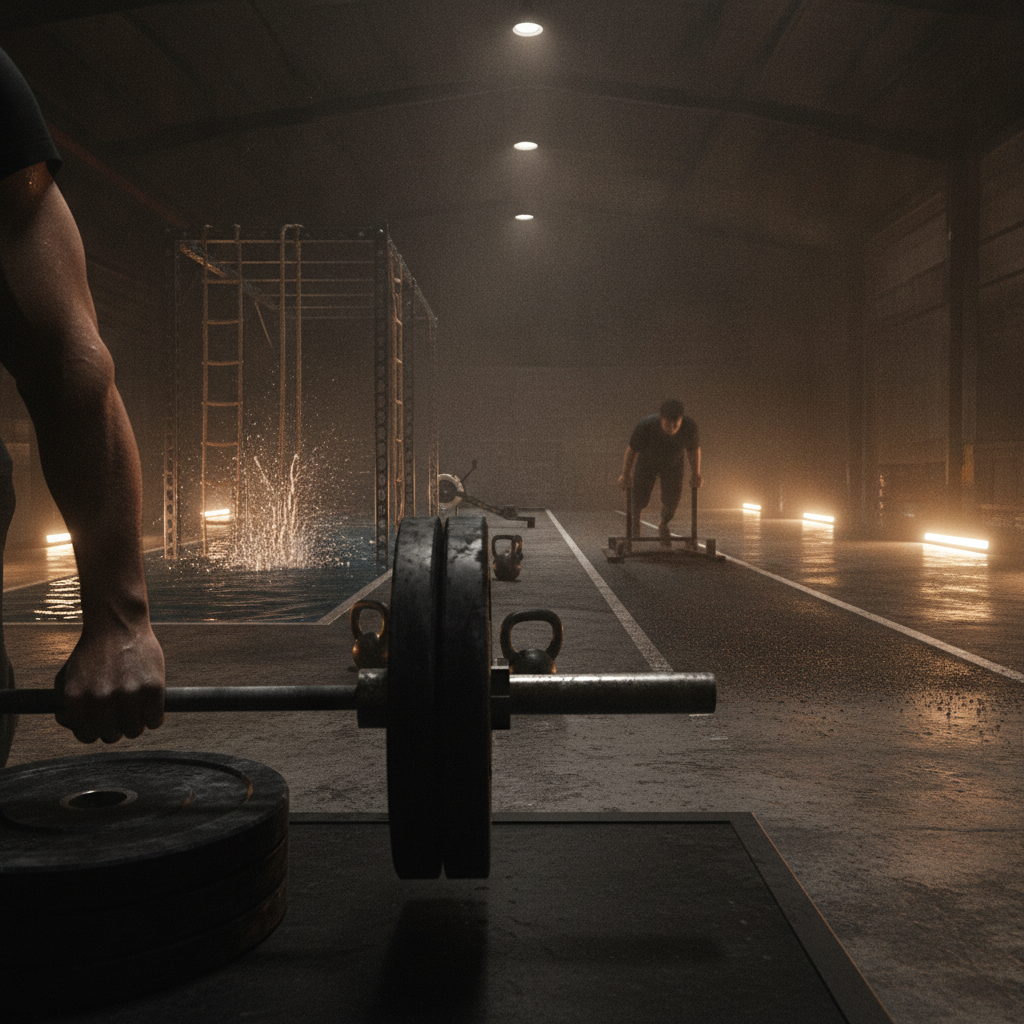
The tone was set immediately on Wednesday. Athletes were presented with a rare combination of a CrossFit workout, a long ranch run, a total, a cycling event and a swimming event. It was a day on which strength, endurance and recovery capacity followed one another at a rapid pace. That stacking of different disciplines gave a strong sense of what the Games should be: the search for the most complete athlete in the world.
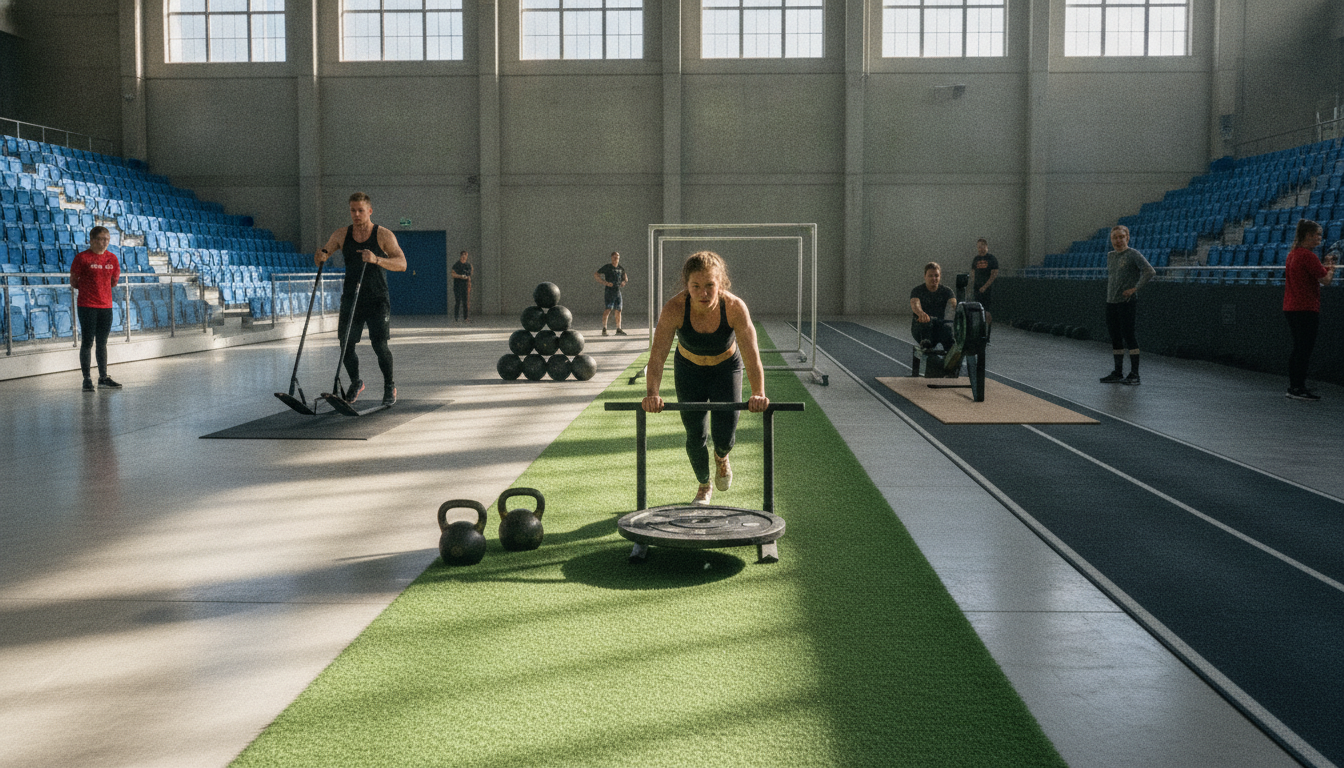
Throughout the weekend, that versatility remained on full display. Heavy sled pushes, sprints, long endurance runs, rope climbs, handstand work, weightlifting, swimming and cycling all found a place in the program. The result was a leaderboard that gave specialists little room to hide. Athletes had to be good at everything.
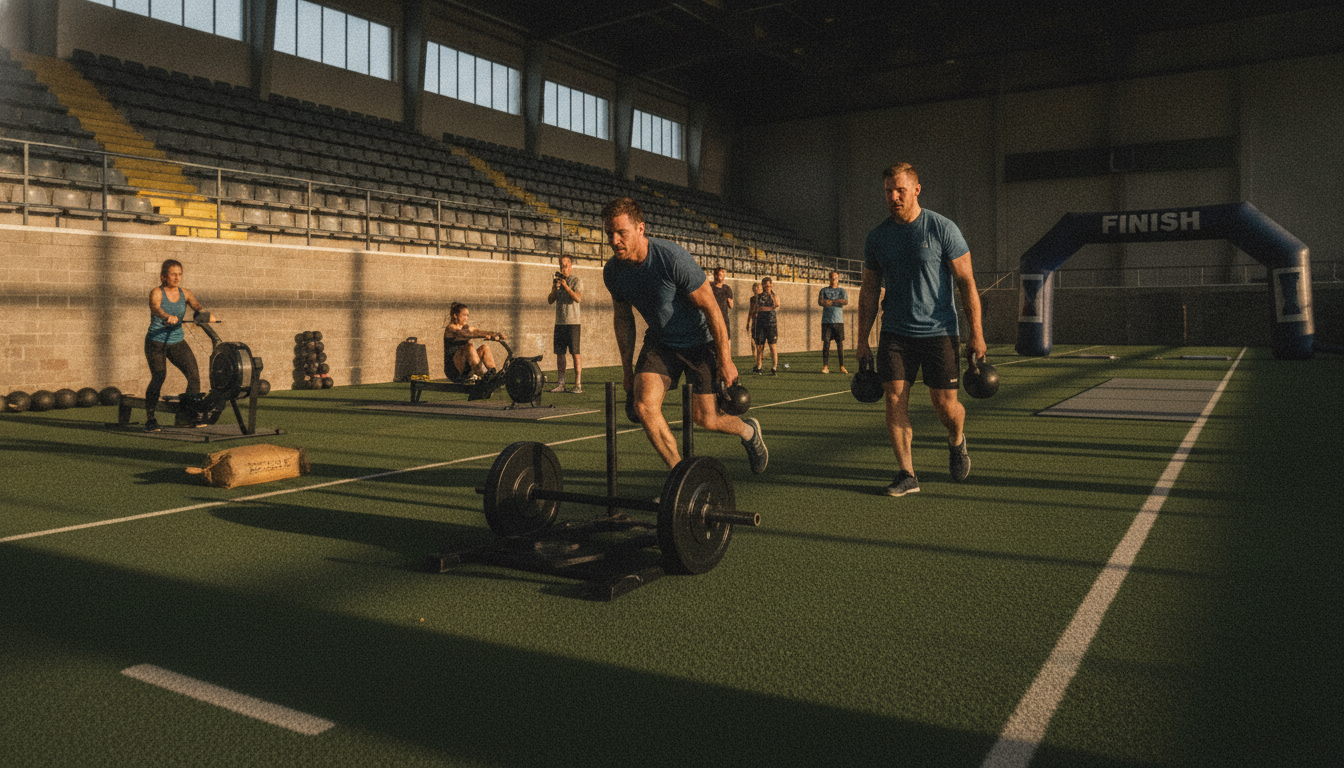
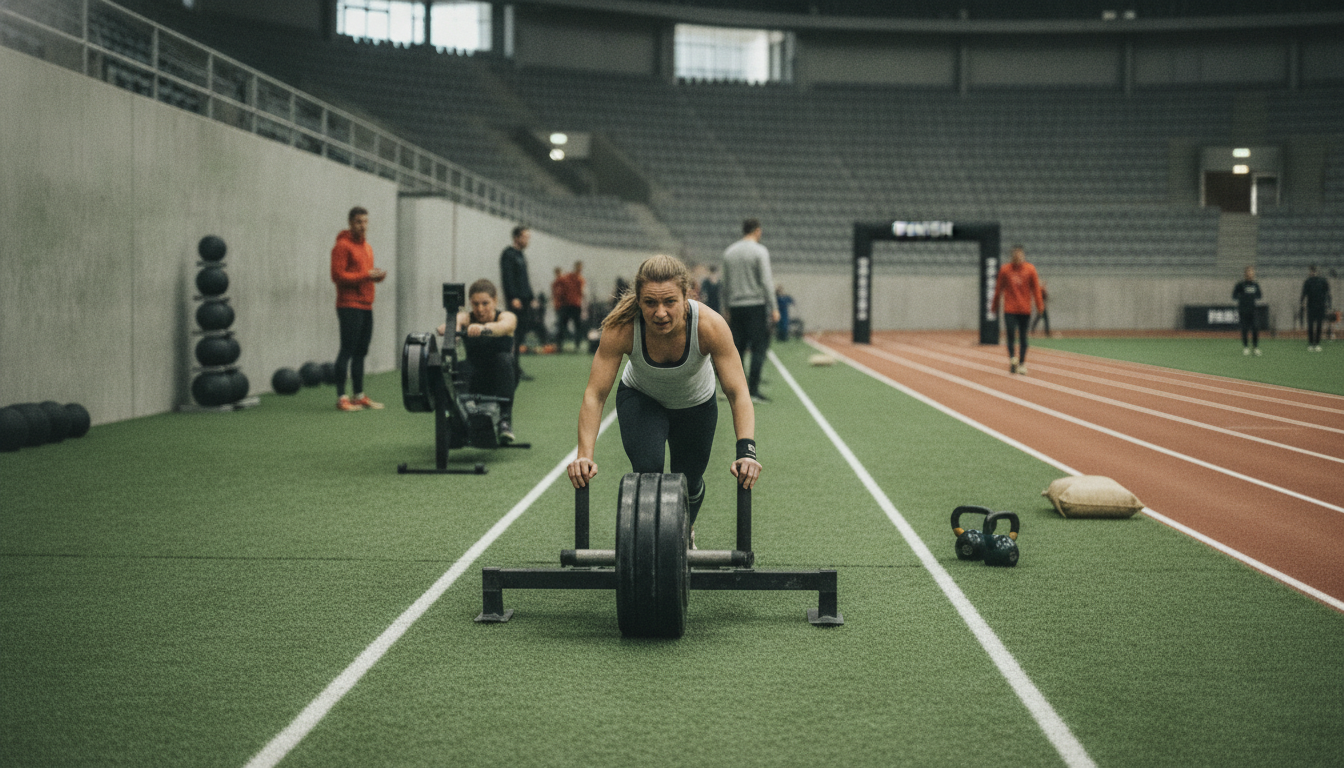
One of the highlights was the sled push, which many competitors described as one of the toughest events of the weekend. Athletes literally stumbled off the field and struggled to walk normally afterward. It was a rare example of a short effort that seemed to cause as much damage as a long endurance test.
The run with heavy hang squat cleans was also widely appreciated. No complicated rules or exotic movements, just a classic CrossFit test combining running and raw strength. The same was true for the snatch speed ladder, where Gui Malheiros in particular showed how impressive weightlifting can look when technique and explosiveness come together.
Not every innovation landed equally well. Triple unders ultimately produced some spectacular finishes, but movements like the GHD medicine ball throw and certain sandbag toss variations sparked debate. The question remains where the line falls between innovative programming and adding movements that look more like a circus act than elite sport to outside observers.
The biggest criticism, however, was aimed not at the workouts themselves but at their placement. On Sunday morning, the final day opened with a long machine-only test followed by a gymnastics event on the rings. Both workouts were legitimate fitness tests, but they lacked the drama a final day demands. There were no finishing sprints, no direct head-to-head battles in the closing meters and few moments that truly got the crowd out of their seats.
That may be the most important lesson of the 2026 Games. Testing fitness and creating sports entertainment are not always the same thing. The best events of the weekend managed to combine both. The weaker moments were not necessarily bad workouts, just workouts that came at the wrong time.
Weighing everything up, the programming deserves a high mark. The variety was excellent, the opening day ranks among the best Games days in years and the winner needed an exceptionally broad fitness profile. Only the final day lacked the explosiveness at crucial moments that makes a championship Sunday truly unforgettable.
Final verdict: an outstanding test of fitness, but not a perfect show.